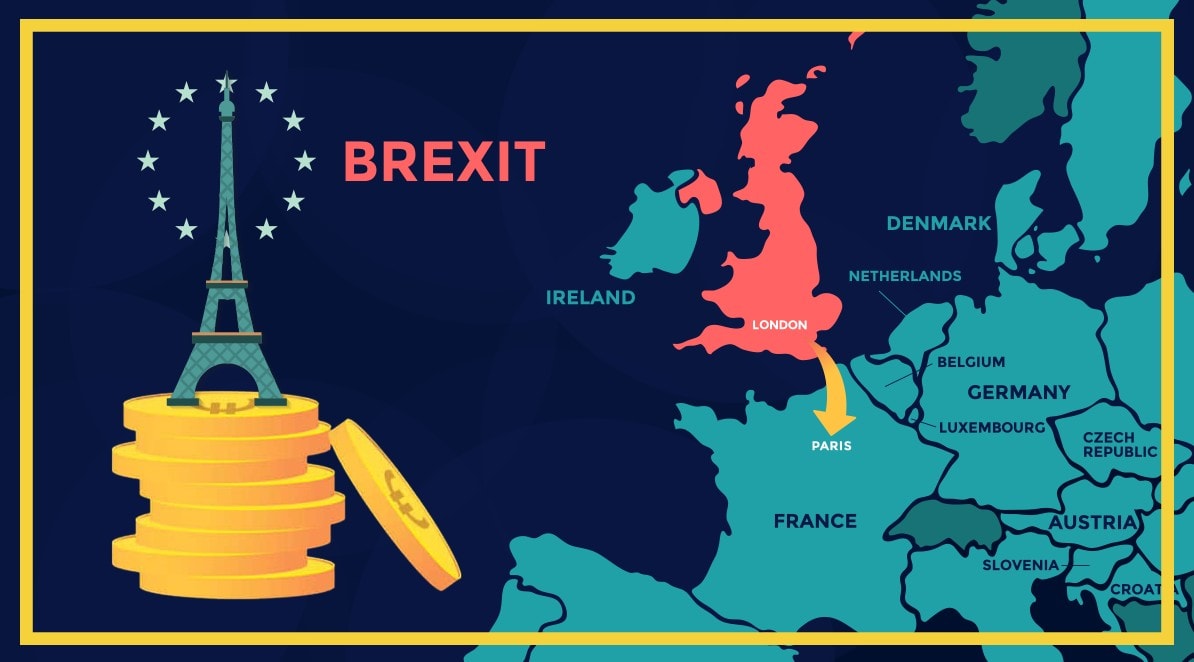
Emmanuel Macron famously worked for blue-blooded investment bank Rothschild so knows well how to craft overtures that the financial world’s chief executives want to hear ...
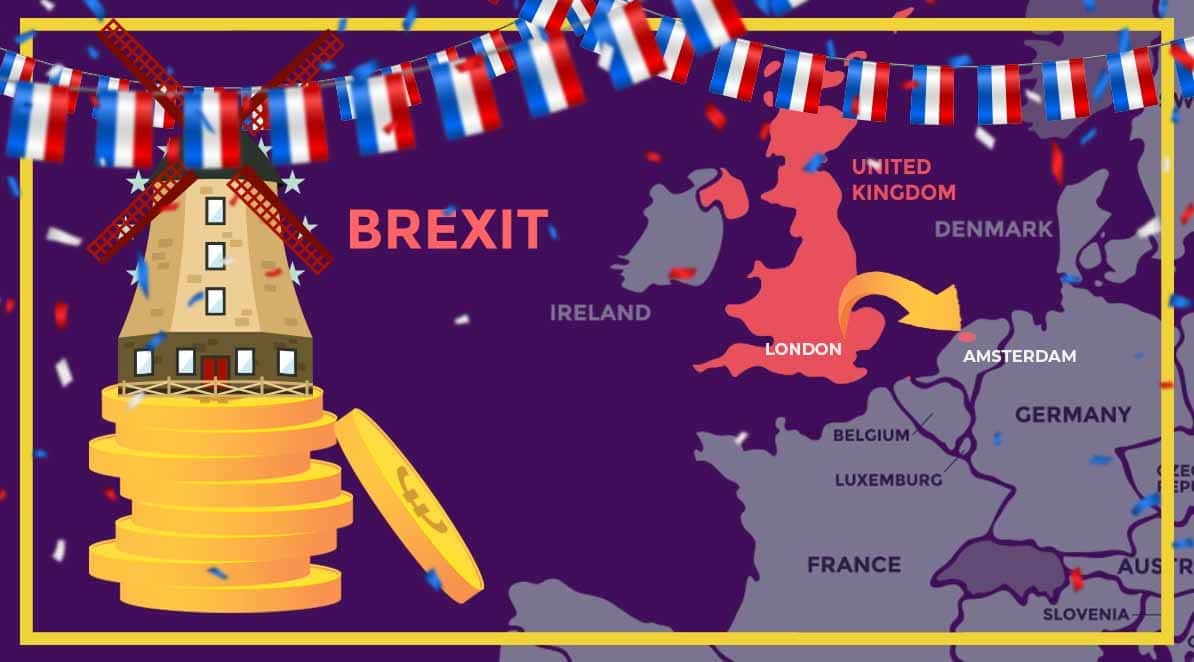
The Netherlands’ digital pedigree dates back to the establishment of the Amsterdam Internet Exchange (‘AMS-IX’) in the 1990s. Find out how Brexit meant more opportunities ...
Emmanuel Macron famously worked for blue-blooded investment bank Rothschild so knows well how to craft overtures that the financial world’s chief executives want to hear as they relocate from the UK as a result of the country’s exit from the European Union (EU).
The Netherlands’ digital pedigree dates back to the establishment of the Amsterdam Internet Exchange (‘AMS-IX’) in the 1990s.
Find out how Brexit meant more opportunities for Amsterdam in our latest Feature.
This March, Jamie Dimon, CEO of JPMorgan, said in an interview with Bloomberg that “There’s a very good chance you’re going to have a gangbusters economy for the rest of this year and easily into 2022.”
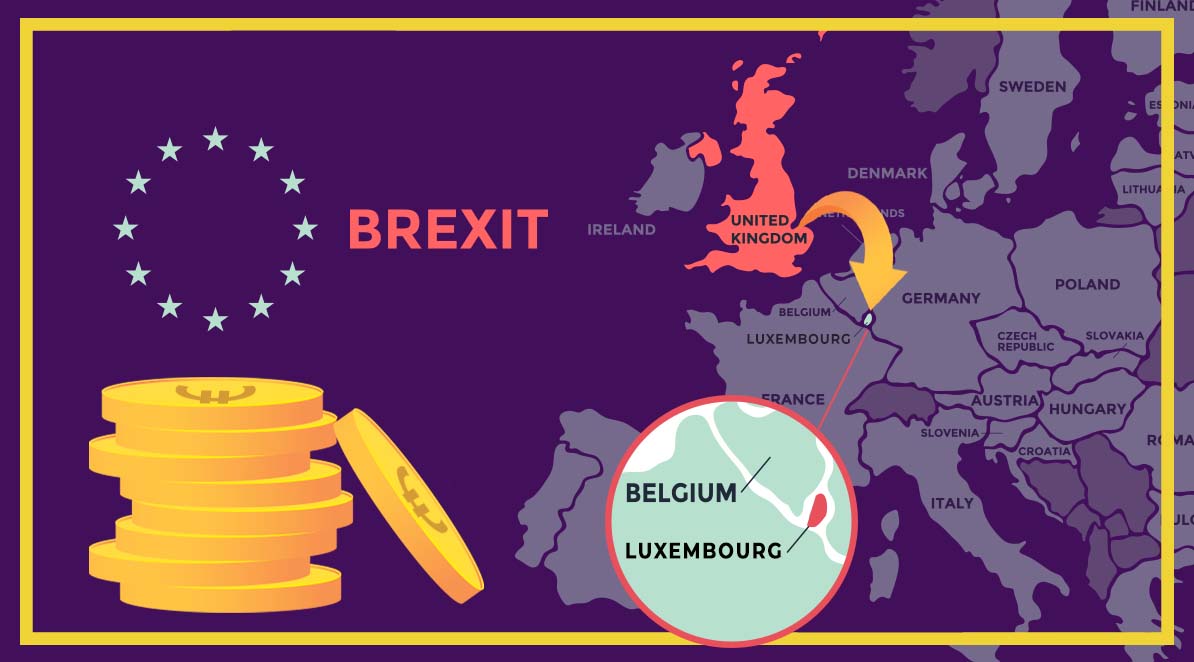
Luxembourg has positioned itself over many years as Europe’s UCITS (Undertaking of Collective Investment in Transferrable Securities) processor-in-chief, as well as more recently for European Long-Term Investment Funds (ELTIFs).
The FCA alleges that increasingly large cash deposits were made into the customer’s accounts. It is alleged that around £365 million was paid into the customer’s accounts, of which around £264 million was in cash.
Frankfurt saw the potential for 10,000 jobs moving to the city. So, where are we now? Coronavirus continues to cast a cloak of uncertainty over everything
t’s not just for publicly listed companies anymore, ESG has become an ever more present concept throughout 2020. When Greta Thunberg met Sir David Attenborough on Skype back in January, it didn’t seem as significant as perhaps it does today:
It is easy to see why, in the context of the UK, such a law may be needed. Of the more than 460,000 Suspicious Activity Reports sent by UK banks to the UK Financial Intelligence Unit in recent years for suspicious transactions, the government’s Law Commission concluded that many were of “low-quality” and that many banks had a poor understanding of their reporting obligations, reporting less to assist the authorities than to avoid a law suit.
There was a period – a long period – a few years back when banks were very, very agitated about the possibility of Britain leaving the European Union (EU). Like many industries, they really didn’t want Brexit to happen.
Sign up for our free newsletter and receive the latest banking and fintech stories, straight to your inbox - every week
We use cookies to ensure that we give you the best experience on our website. If you continue to use this site we will assume that you are happy with it.