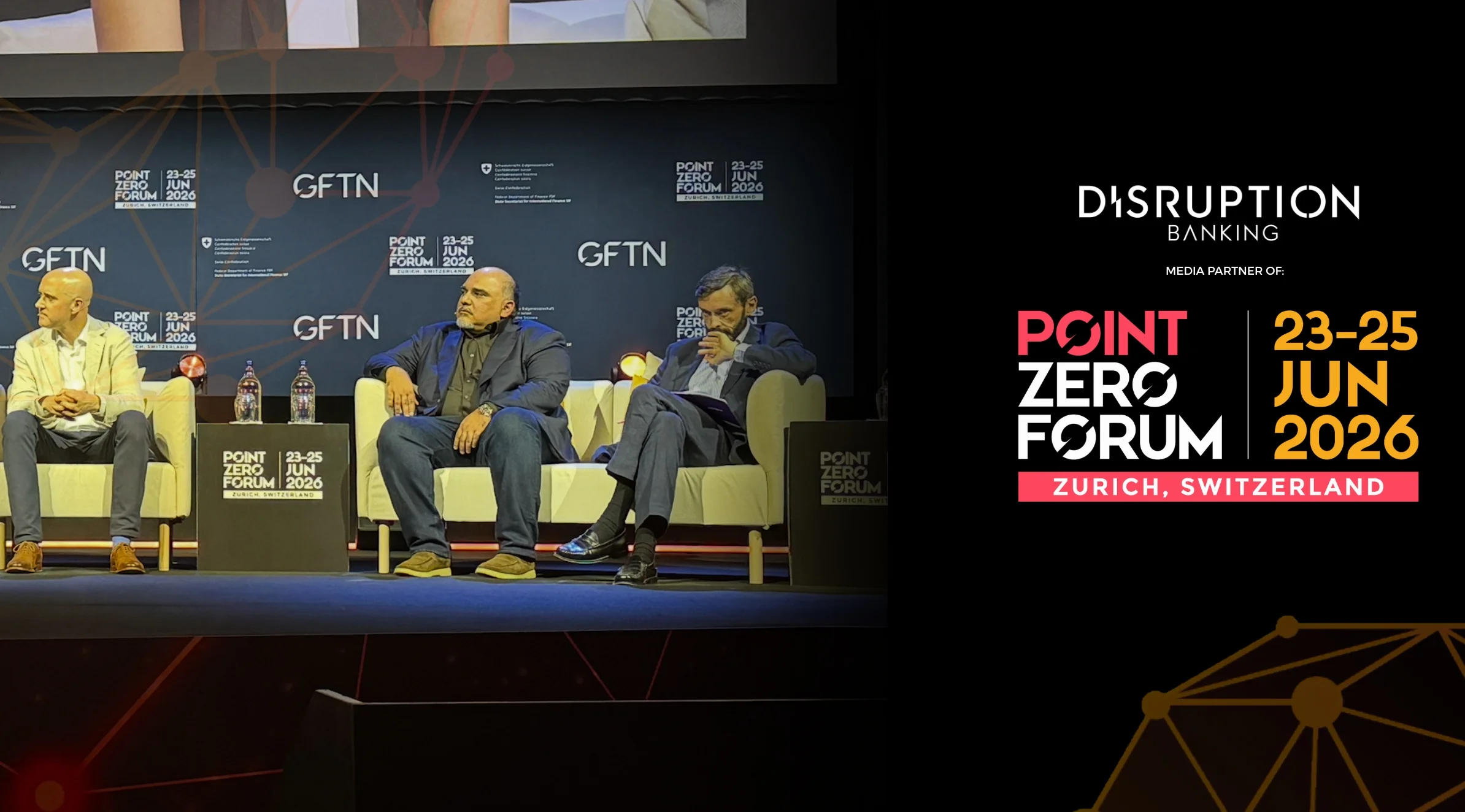
At Point Zero Forum in Zurich today, a key conversation focused on the concrete infrastructure needed so AI agents can transact safely, at scale, and in a way that builds lasting trust.
Tom Mutton of the Bank of England laid out the stakes clearly. The opportunity is massive: a more dynamic, inclusive digital economy powered by agents. But we will only capture it with an open system that doesn’t force small businesses to wrestle with fragmented agent integrations.
The UK is already moving. Next-generation payments infrastructure is being built on recent legacy foundations through public-private partnerships, with Stripe and HSBC among the contributors. A consultation on requirements is coming soon. Mutton encouraged deep industry engagement on how best to deliver it.
What about the Core Infrastructure Layer?
A central question: What belongs in the core infrastructure layer (utility-like and standardised to avoid fragmentation) versus what should stay proprietary for innovation and competition?
In retail payments, high-level ecosystem services blur the lines between infrastructure and products/services layers. Where we place protocols and standardisation will define the ecosystem for years.
Mutton also highlighted consumer protection. Cash offers little recourse. Cards provide strong protections. Pay-by-bank sits in a murkier middle. When agents choose the “best” way to pay on behalf of consumers, understanding and trust become even bigger issues.
Shayan Hazir on Pilots, Stablecoins and Mandates
Shayan Hazir of HSBC shared insights from a recent B2B pilot with Mastercard in Singapore. Here is the clip shared on X by @digitalstartup5:
Shayan Hazir of @HSBC shares with delegates at #PointZeroForum how there is a huge opportunity right now to build out infrastructure to increase transparency in settlements. #PZF2026 pic.twitter.com/pNeu1pe5Sa
— Digital Startup (@digitalstartup5) June 24, 2026
Learning by doing revealed real operational, risk, and ecosystem challenges, but also huge opportunity.
Legacy cross-border payments carry friction. The goal is infrastructure delivering final settlement, transparency, speed, and better liquidity. Agents add complexity, but Hazir remains optimistic, especially around stablecoins.
He framed two related but distinct problems: stablecoin/tokenisation/settlement economics, and identity/transparency/mandate. You need both.
Key point: It’s not enough to authenticate the agent. You must understand its mandate. Like a security guard allowed in the building but not the vault. This distinction gets harder with autonomous systems.
Drawing from aviation’s 140-year journey to safe autonomy (black boxes, audit trails, clear decision visibility), Hazir warned against constant human-in-the-loop over-regulation. Build proven safety, openness, and understanding first. Then grant autonomy. Always keeping user experience, privacy, and consumer control at the centre.
Public-private partnerships are essential. Getting the balance right between standardisation and innovation, utility rails and competitive services, and agent power versus consumer understanding will determine success.
The agentic economy is coming fast. The infrastructure decisions we make now will decide whether it unlocks growth or creates new fragmentation and trust gaps.
Author: Andy Samu
See Also:
HSBC Accelerates AI Push as CEO Urges Staff to Adapt | Disruption Banking