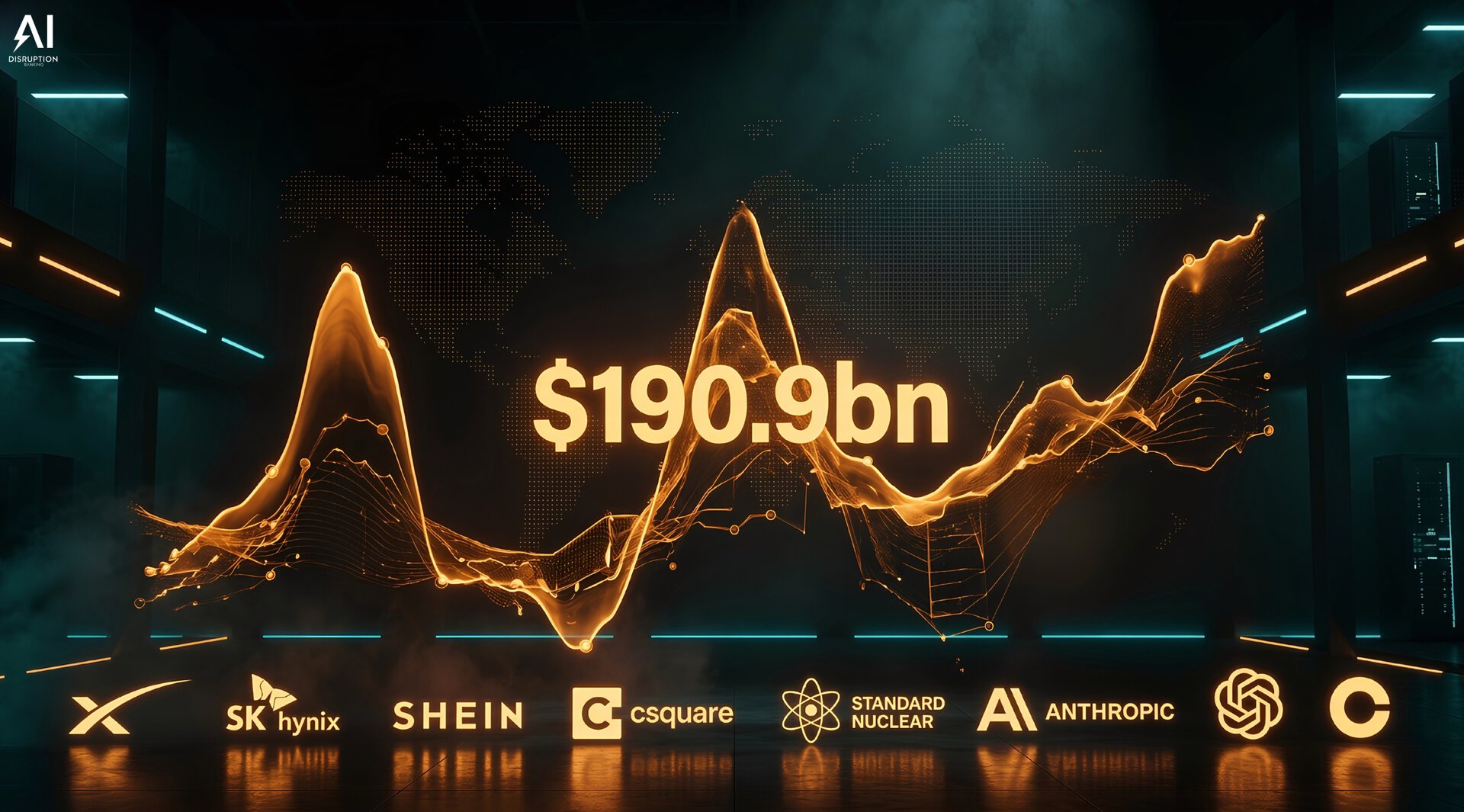
Global IPO proceeds reached about $190.9bn across 530 deals in the first half of 2026.That already tops the whole of 2025. Yet the year’s two largest debuts, both AI-linked, sit underwater — a shift we tracked when looking at the biggest capital markets disruptors earlier this year. What does that tell you about how selective investors have become?
The headline numbers look explosive. SpaceX and SK Hynix dominated the proceeds. Hong Kong delivered its strongest first half in five years. But aftermarket performance tells a more cautious story. Investors are still buying IPOs. They have simply grown choosier about which ones, and at what price.
How Have the Year’s Biggest Names Traded?
SpaceX priced at $135 on 12 June and opened at $150. It hit $176.52 on day one. It is now down about 17% from its debut and roughly $1trn below its peak value, trading under the IPO price. The stock trades at around 80 times sales. Its first results on 4 August beat on revenue, up 92% to $7.81bn. They also showed $18.4bn of quarterly spending, most of it on AI, and a loss-making AI unit. The shares fell about 13%. Morgan Stanley said a $100 share price would value the AI business at nothing. Investors are punishing heavy AI spending before it pays off.
$SPCX – SPACEX FALLS BELOW IPO PRICE
— *Walter Bloomberg (@DeItaone) July 15, 2026
SpaceX shares fell 1.7% to $134, slipping below their $135 IPO price for the first time.
The stock is now far below its $225.64 peak, raising concerns that its valuation was driven more by hype than fundamentals.
Investors now await…
SK Hynix raised about $26.5bn on Nasdaq on 10 July. It was the largest-ever first-time US listing by a foreign company, bigger than Alibaba and Aramco. The Korean memory-chip maker supplies the high-bandwidth memory that Nvidia’s AI chips depend on, with roughly a 57% market share. Its shares had risen about 220% in 2026 on the AI-memory boom. Days later the Korean shares fell 15.4% on 14 July, their worst day in nearly two decades. That dragged Korea’s market down 9% and forced a trading halt. The US shares were off about 8% from their first-day close as memory stocks sold off on fears the AI rally had run too far.
Shein is targeting a $30-$40bn valuation for its Hong Kong listing. That is well below the roughly $100bn it was worth in 2022. The fast-fashion group has cleared Chinese and Hong Kong approvals and could list as early as mid-August. It made $2.06bn profit on $41.8bn revenue in 2025. This is its third venue attempt after the US and London fell through. The lower price shows investors cooling on consumer names in favour of chips, robotics and biotech.
Coinbase is not a 2026 float. It listed in 2021. On 30 July it missed forecasts for a third quarter running and posted its second straight quarterly loss. It remains a useful gauge of cooling enthusiasm for crypto and fintech listings.
Are Investors Only Buying the Physical AI Layer?
The AI listings that have held up best in 2026 have been the physical, tangible ones. Investors are happy to buy the picks and shovels. They are more wary of the headline AI stories.
Two AI-infrastructure names listed on the NYSE in mid-July. Data-centre operator Csquare , Brookfield-backed, and small-modular-reactor fuel developer Standard Nuclear raised about $1.61bn between them. Both underwhelmed in a cautious market. Csquare is a large but unprofitable and heavily indebted business. They still got away, unlike anything purely speculative. The 2026 AI IPO winners so far, SK Hynix, Csquare and Standard Nuclear, have all been physical infrastructure rather than software-first AI labs. The market is paying for AI’s hardware layer while questioning its software valuations. That is the same caution that has left SpaceX’s AI unit valued near zero.
The real test of AI listing appetite is still ahead. Anthropic confidentially filed a draft S-1 on 1 June 2026 at a reported valuation around $965bn, with a revenue run-rate reportedly near $47bn. OpenAI is reported to be preparing a listing later in 2026. Their debuts would be the first real test of whether public markets extend to pure frontier-model labs the enthusiasm they have shown for AI infrastructure.
Why Has the Action Moved to Hong Kong?
China changed the rules to keep listings closer to home. The securities regulator switched from an approval system to a lighter filing system. Mainland money flowing into Hong Kong via Stock Connect reached HK$1.4trn in 2025. Hong Kong’s exchange also relaxed its listing rules in July, allowing more founder voting control and confidential filing for all applicants. Tougher US rules for Chinese companies pushed more of them towards Hong Kong.
KPMG reported that Hong Kong raised HK$210.2bn from 87 listings in the first half, up 92% on the year. Mainland A+H dual listings and tech companies made up most of the total. Deloitte’s review showed the same shift.
What Risks Sit Behind Hong Kong’s Boom?
Even as Hong Kong leads the world for money raised, a performance problem is developing. Strong fundraising is not translating into strong aftermarket returns. CNBC highlighted the growing trend of stocks sinking after their debut.
The Securities and Futures Commission issued a circular in January 2026 warning banks over substandard work and poor-quality applications. Weak risk disclosure, deal-chasing and thin due diligence appeared as banks raced to get deals out. SCMP covered the strain on sponsors.
A triple threat now sits over the momentum. Beijing’s scrutiny of red-chip structures is causing delays. Limits on bankers’ workloads are straining capacity. Geopolitical caution from the war in Iran has made investors wary of long lock-ups. The boom also leans heavily on mainland listings, with foreign participation still recovering. ION Analytics flagged the growing risks and heightened regulatory scrutiny. Separate reporting noted the same pressure points.
Does a Record Fundraising Year Still Mean Easy Money?
The common thread is a record fundraising year on the surface and a much more careful market underneath. The two biggest debuts of the year are both AI-linked and both underwater. That puts AI valuations at the centre of the caution. The previous cycle’s favourites are being marked down. The venue leading the world for new listings is showing weak aftermarket performance and drawing regulatory scrutiny.
Moral of the story – do NOT chase hot IPOs
— Puru Saxena (@saxena_puru) June 3, 2026
Year-1 average drawdown = 55%
Year-1 median drawdown = 54%
Table: Truist pic.twitter.com/xt864JD4Xh
One structural reason the weakness tends to show up a few months after listing is that many of 2026’s mega-IPOs sold only small slices of stock. SK Hynix floated about 2.5%. When insider lock-up periods expire, more shares hit the market and can push prices down. SpaceX’s early-August lock-up expiry is the clearest live example.
It is not all bearish. Some analysts see SpaceX as oversold, with targets up to about $239. SK Hynix still dominates AI memory with 70%-plus margins. Hong Kong’s pipeline remains deep. The AI names are cyclical and headline-driven. Sharp falls can reverse quickly.
For you, a big headline number no longer means easy money. Which listing, and at what price, matters more than it did a year ago. The next test arrives when the pure frontier-model labs reach public markets.
Author: Tejas Bansal
The editorial team at #DisruptionBanking has taken all precautions to ensure that no persons or organisations have been adversely affected or offered any sort of financial advice in this article. This article is most definitely not financial advice.
See Also:
Unitree’s IPO: Is 219 times earnings too high for a humanoid maker? | Disruption Banking
The 7 Biggest Capital Markets Disruptors of 2026 (So Far) | Disruption Banking
SpaceX IPO at $1.77 Trillion: Most Important Since Aramco, or Most Overvalued? | Disruption Banking
Visa in Dow Jones: From IPO to $600B+ Giant | Disruption Banking