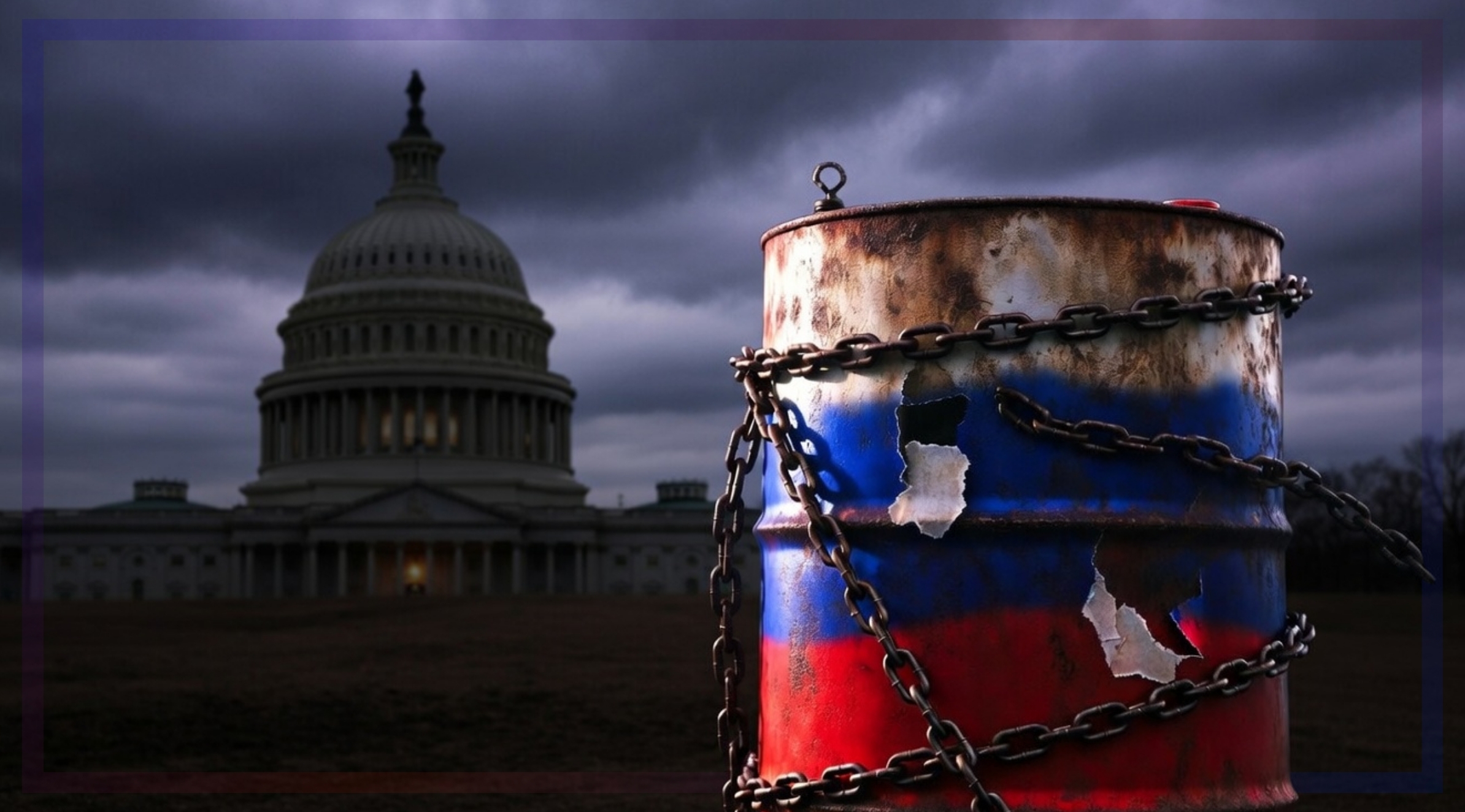
The US Treasury Department is lifting key sanctions on Russian oil imports in a strategic move to combat surging global prices and ease inflation pressures ahead of the 2026 midterms.
Announced by Treasury Secretary Scott Bessent, this decision, highlighted in his March 6, 2026, interview on Fox Business, comes as oil markets reel from Iran’s closure of the Strait of Hormuz following U.S.-Israeli strikes that killed Supreme Leader Ayatollah Ali Khamenei. Brent crude has surged above $100 per barrel, driving up gas prices and fueling domestic inflation concerns.
The U.S. has given India a 30-day waiver to buy Russian oil as the Iran war disrupts global energy supplies and pushes oil prices higher. pic.twitter.com/ZugW08JZG1
— Clash Report (@clashreport) March 6, 2026
US Treasury Grants India 30-Day Waiver to Buy Stranded Russian Oil Amid Iran Conflict
The US Treasury Department has issued a temporary 30-day waiver allowing Indian refiners to purchase sanctioned Russian crude oil already loaded on vessels as of March 5, 2026. This pragmatic step aims to stabilise global energy supplies disrupted by the ongoing US-Israel war against Iran and the effective closure of the Strait of Hormuz.
Treasury Secretary Scott Bessent described the measure as a short-term action to prevent Iran from holding global energy hostage. It applies only to oil already at sea, which is estimated at hundreds of millions of barrels and expires on April 4, 2026.
India had previously halted purchases of sanctioned Russian oil at US urging, in exchange for reduced tariffs on Indian goods (from 25% to 18%) and commitments to buy more American energy. The US had imposed punitive tariffs on India for its earlier discounted Russian crude imports, which helped fund Moscow amid the Ukraine conflict.
Bessent praised India as “very good actors” for complying, noting they planned to substitute with US oil. However, Hormuz disruptions created an urgent global supply gap, prompting the waiver to redirect stranded Russian cargoes to Indian refineries quickly.
Short-Term Market Relief, No Policy Shift on Russia
Bessent said the US “may unsanction other Russian oil” to unlock more floating supply and ease pressures during the conflict. “We’re going to keep a cadence of announcing measures to bring relief to the market,” he added.
Energy Secretary Chris Wright said “We just made a pragmatic decision … I don’t think there’s any change in the pressure there… Russia’s oil remains sanctioned. There’s no change in policy towards Russia“.
He emphasised abundant long-term US production but highlighted short-term fears driving price spikes. The waiver targets oil rerouted to Indian ports, with no involvement in prohibited Iran-related transactions.
This move reverses months of US pressure on India while prioritising immediate energy market stability amid Middle East chaos. Officials frame it as preventing broader shortages rather than aiding Russia significantly, given the limited scope to pre-loaded cargoes.
As the Iran conflict enters its second week, volatile Brent crude prices reinforce the urgency, highlighting how sanctions flexibility can serve as a tool for short-term economic relief.
Midterm Elections Loom: Trump’s High-Stakes Gamble
The link between oil prices and inflation is clear.
Crude oil influences not just fuel costs but the entire supply chain. Transportation expenses rise, pushing up the price of goods from farm to table. Manufacturing inputs become pricier, affecting everything from plastics to pharmaceuticals.
With the 2026 midterms just eight months away, the unsanctioning of Russian oil is undeniably tied to electoral calculus. President Donald Trump’s Republican Party holds slim majorities in both the House and Senate, and recent polling shows inflation as the top voter concern, surpassing even immigration and crime.
And if oil prices go up, inflation goes up.