In the penultimate article in this series, Disruption Banking looked at some of the fears around using machines to execute buy-side trades in financial services. …
Michael Wiegand, Director of Financial Services for the Poor at Bill & Melinda Gates Foundation, delivered a keynote speech on the subject of “Democratising Knowledge: ...
Michael Wiegand, Director of Financial Services for the Poor at Bill & Melinda Gates Foundation, delivered a keynote speech on the subject of “Democratising Knowledge: The Great Equaliser in a Digital Future.”
Tonik Digital Bank, the Philippines’ first digital-only neobank, is tapping Google Cloud’s advanced platform to accelerate financial inclusion for all Filipinos.
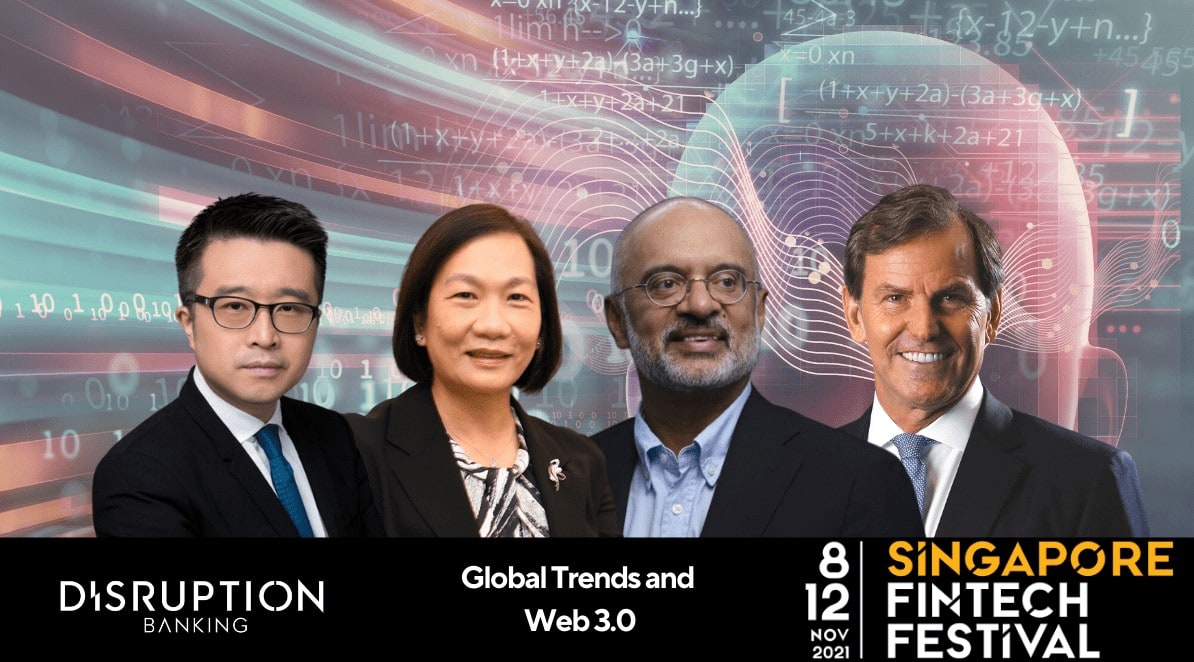
Today at the Singapore Fintech Festival, four CEOs gathered to discuss “global trends.” Chaired by Dawn Karen Tan of CNA News, the panel included: Dr Calvin Choi, Chairman of AMTD, Helen Wong, CEO of OCBC Bank, Mike Wells, Group Chief Executive at Prudential, and Piyush Gupta, CEO at DBS.
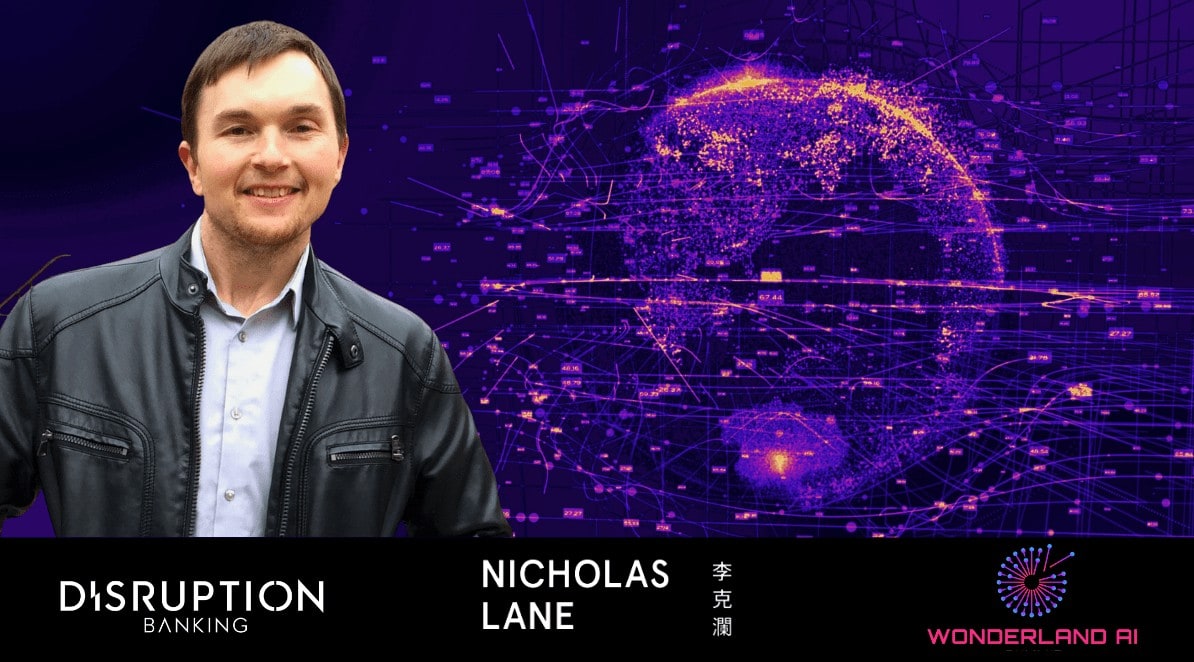
Following his speech at Wonderland AI, we caught up with Nicholas Lane to discuss how the concept of “Flower” is changing the way federated learning is done.
With the help of technology, fraudsters’ arsenal has become more sophisticated over the years. Fortunately, so have the tools of fraud fighters. SEON has risen to rank among the most successful Hungarian startups by providing fraud prevention solutions to a wide range of businesses. Tamas Kadar, co-founder and CEO of the company, explained to us what underlying dangers digitisation brings, and how leveraging Big Data can help us take on a new generation of fraudsters.
One company deeply involved in such technology is Feedzai, a cloud platform designed to fight financial crime using artificial intelligence (AI), big data and machine learning.
The use of AI and ML may benefit market intermediaries, asset managers and investors by increasing the efficiency of existing processes, reducing the cost of investment services and freeing up resources for other activities.
Historically, payables, receivables and reporting require a significant amount of time to manually perform predictable and routinized processes, managing exceptions and disputes, and identifying risks. Artificial Intelligence or AI, can enhance the effectiveness of these tasks while greatly increasing efficiency by reducing time demands.
The latest edition of the Fintech and Digital Banking 2025 (APAC) report found that 60% of banks in Asia Pacific will leverage artificial intelligence (AI) or machine learning (ML) technologies for data-driven decisions, compared to 48% from the previous year.
Paul explains that the MLI “looks at the theory of the mathematics of how machine learning is done. How do we actually compute something, how do the neural networks work …?”
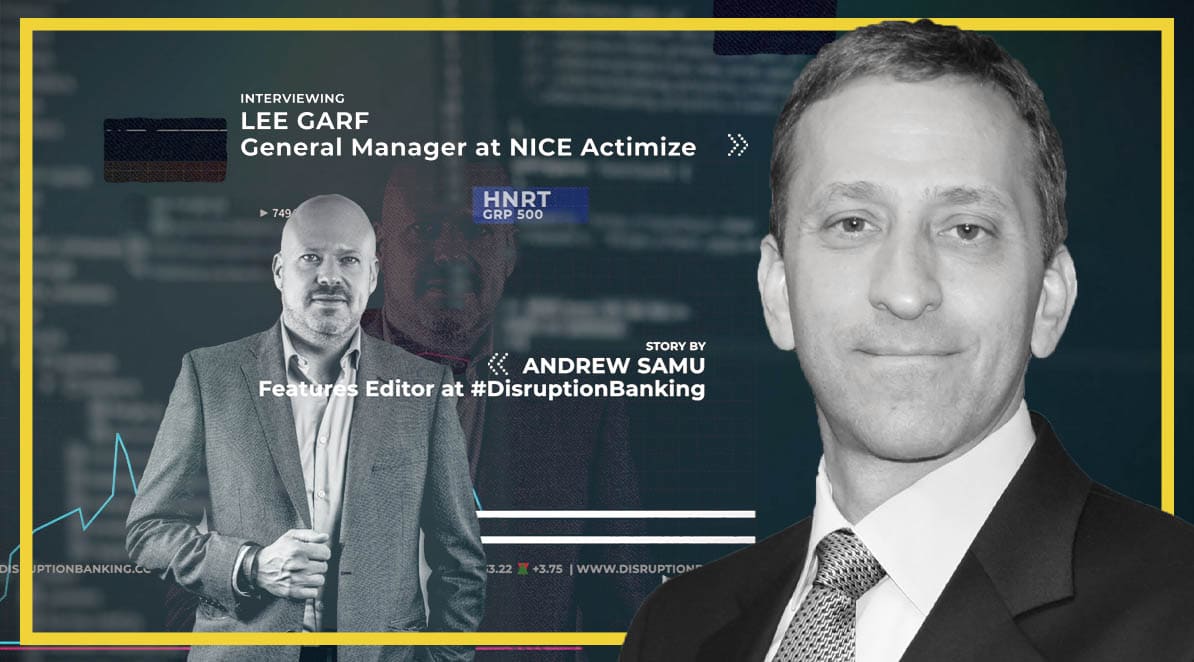
"The answers are very rarely inside the building," Lee shares, going on to explain that the team at NICE Actimize: "Meet with customers to understand the problems that they are facing, the challenges that they have, and then from that determine comprehensive interesting solutions that can add value in the market."
Sign up for our free newsletter and receive the latest banking and fintech stories, straight to your inbox - every week
We use cookies to ensure that we give you the best experience on our website. If you continue to use this site we will assume that you are happy with it.