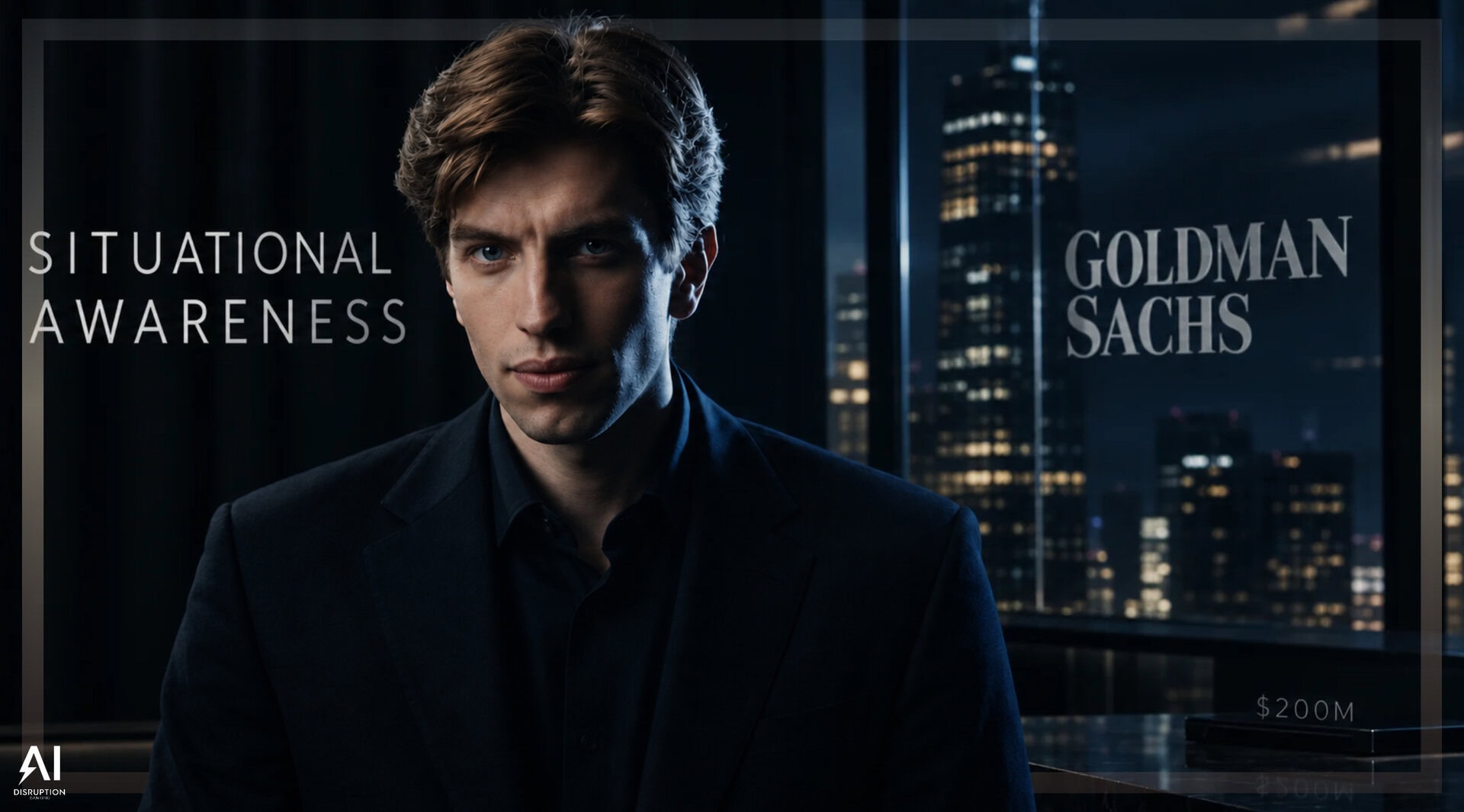
The SEC has sent subpoenas to several major Wall Street banks asking for details on their dealings with Situational Awareness, the AI-focused hedge fund run by former OpenAI researcher Leopold Aschenbrenner.
Reports on Monday, citing people familiar with the matter, say the regulator wants information on the fund’s trades, how much leverage it was using, and what conversations it had with its lenders. Banks involved include Goldman Sachs, JPMorgan Chase, Citigroup and Bank of America. They have also been told to preserve any related records.
The investigation is still in its early stages. There is no indication yet that it will lead to fines or formal charges.
How Situational Awareness Went From $30 Billion Peak to Forced Sale
Aschenbrenner launched Situational Awareness in 2024 after leaving OpenAI and publishing a long essay that argued artificial general intelligence was coming faster than most people realised. Backed by well-known Silicon Valley investors, the fund grew quickly on big, concentrated bets in AI infrastructure and chip stocks. At its peak earlier this year it managed more than $30 billion and had borrowed tens of billions more from prime brokers.
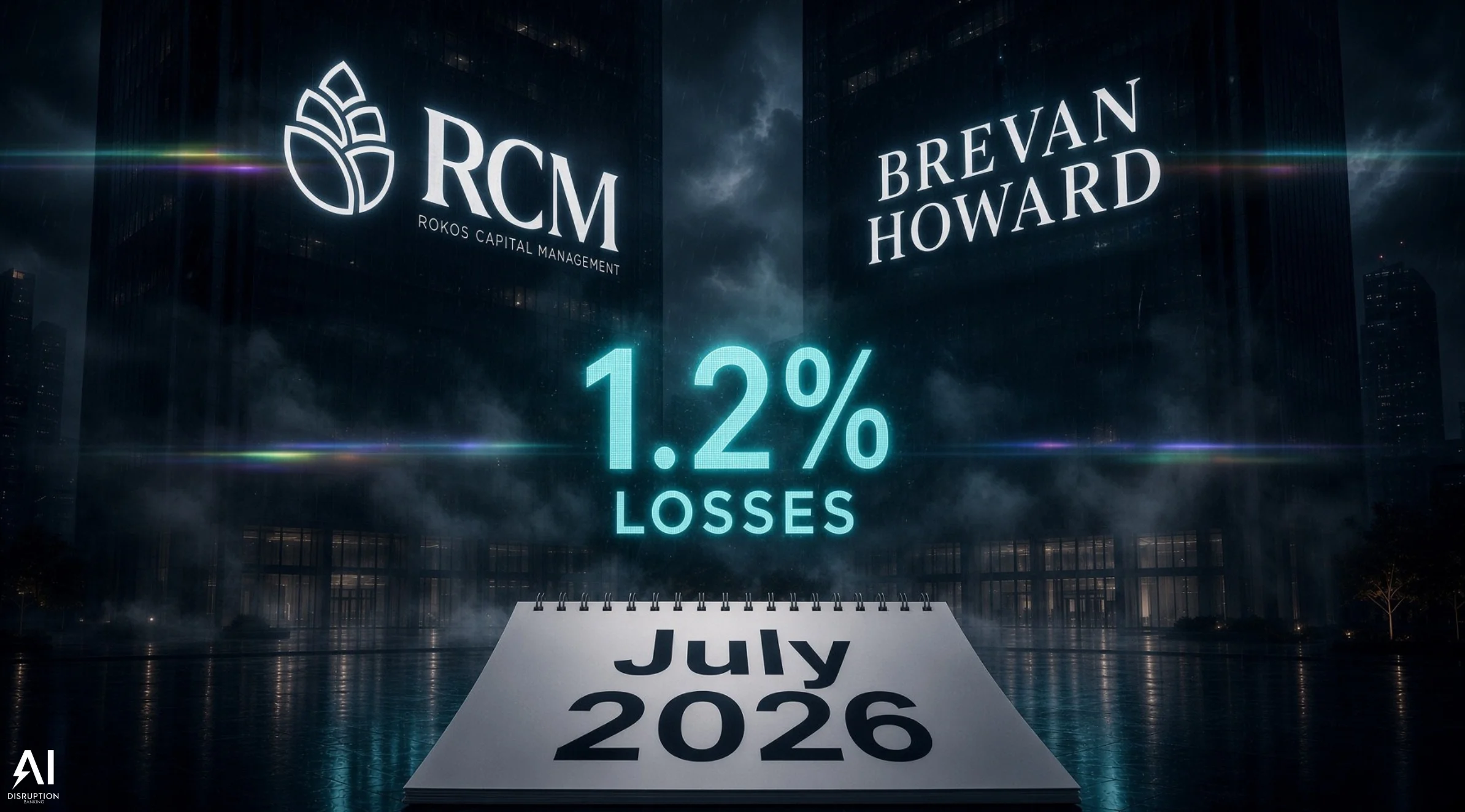
Returns were exceptional for a while. Then July arrived. A sharp sell-off in AI and semiconductor stocks hit the portfolio hard. The fund lost roughly 67 percent in a single month. Facing margin calls, it was forced to sell the bulk of its public equity holdings to Citadel in a large overnight deal. What remains is mostly private investments, including a stake in Anthropic, with total assets now estimated in the $8-10 billion range.
“It is to be expected that regulators would closely examine any funds that are high profile, produce significant returns, or have particularly dramatic drawdowns,” Situational Awareness said in a statement on Monday. “We are a highly-regulated business and will cooperate to the fullest extent with any regulatory request.”
The SEC’s interest appears focused on how the leverage was extended and monitored, the sequence of trades that triggered the margin calls, and the communications between the fund and its banks during the stress period. The episode has put a spotlight on the scale of financing that supported some of the most aggressive AI trades on Wall Street.
Prediction markets have already priced in a low chance of personal legal trouble for Aschenbrenner. Polymarket currently puts the odds of him facing criminal charges by the end of 2026 at around 6 percent.
For now the probe is about gathering information. Both the SEC and the fund have declined further comment.
Author: Andy Samu
The editorial team at #DisruptionBanking has taken all precautions to ensure that no persons or organizations have been adversely affected or offered any sort of financial advice in this article. This article is most definitely not financial advice.
See Also:
Can the Situational Awareness Hedge Fund Raise Capital After its 439% H1 Gain? | Disruption Banking