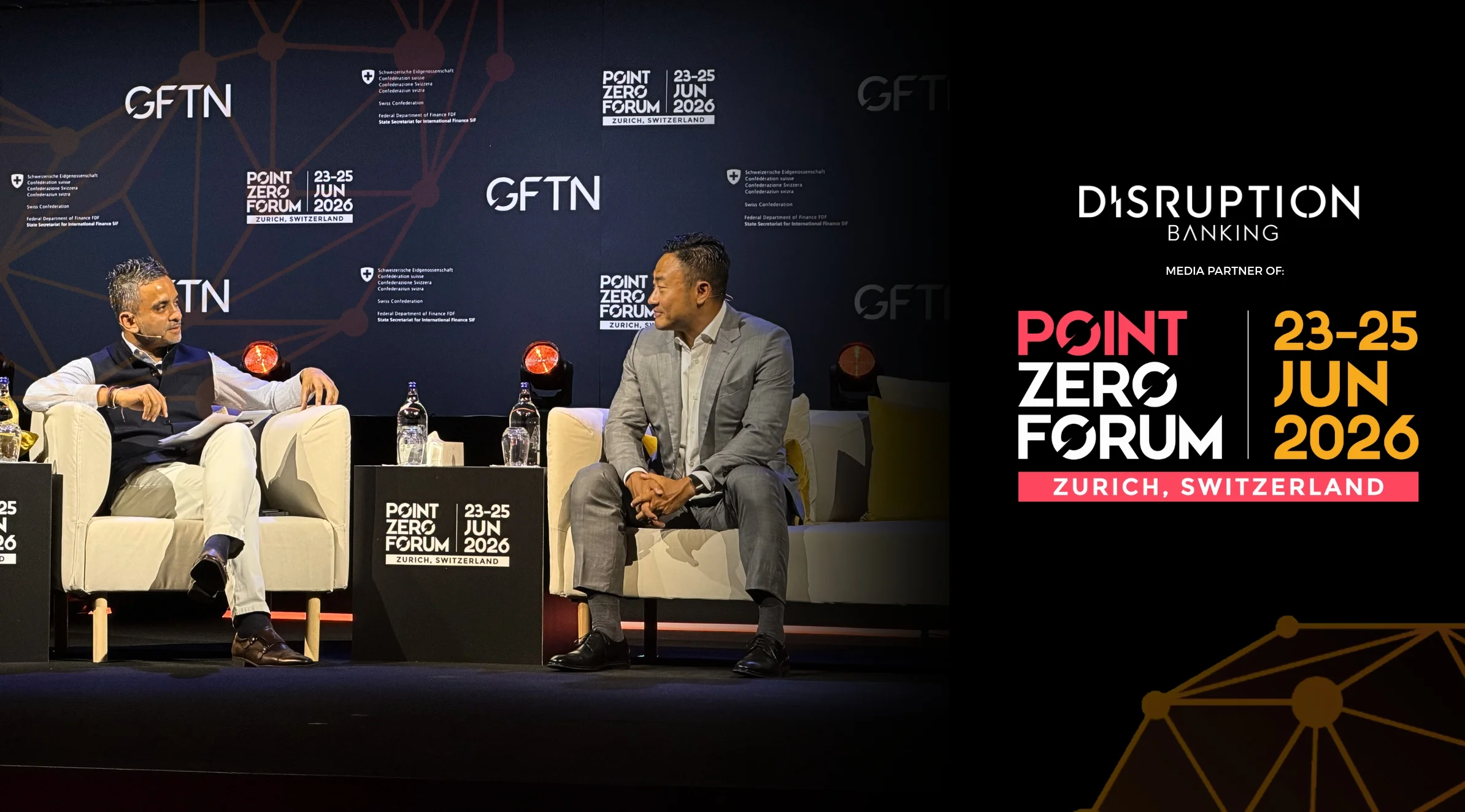
At the Point Zero Forum 2026 in Zurich today, Bybit co-founder and CEO Ben Zhou sat down with Pat Patel of the Global Finance and Technology Network (GFTN). They explored the future of tokenization, market infrastructure, and how exchanges must evolve.
The discussion cut through industry hype. Tokenization has moved from proof of concept to real infrastructure. Yet the toughest challenges remain: demand, liquidity, and trusted intermediaries.
Tokenization: Access Is Solved. Buyers and Liquidity Are Not.
Tokenization now powers real activity. Tokenized money market funds and stablecoins move trillions each year. Institutions build on chain systems.
Still, Zhou says many miss the core issue. People focus heavily on access. He added how they overlook what creates actual business and trading volume.
Regulators push to tokenize bonds and properties. Banks in Paris want to offer tokenized portfolios worldwide. Vietnam studies models and considers tokenizing local assets for global buyers. Making assets available on chain is underway.
The harder question follows. Who will buy them?
“Even if we tokenize it, we offer it. Who is going to buy?” Zhou asked. Access exists. The real scarcity lies with buyers. Who actually wants the assets?
Exchanges can list tokenized items and support liquidity. Without real demand, assets sit idle. The rush to tokenize everything first creates supply without buyers or steady activity. Regulators and issuers must close this gap as the sector grows.
Video clip from the session (on buyer demand):
Tokenization is great, but the problem is who will buy your tokenized assets? @benbybit shares his views with delegates at @pointzeroforum #PZF2026 #ByBit pic.twitter.com/mD1ja7tYp9
— Digital Startup (@digitalstartup5) June 24, 2026
Exchanges Won’t Become Simple Utilities. They Will Become Valuable Platforms.
Many assume instant settlement and programmable assets will turn centralized exchanges into basic utilities. Zhou disagrees.
He compares the shift to airports. Instant settlement is like counting planes. Real value comes from everything around the runways. Shops, services, and deep liquidity attract users.
Exchanges will keep and grow their role. They provide on and off ramps. They build stablecoin products and layers. They bring Web2 users into on chain worlds. They add services, risk tools, and smooth experiences.
“People stay on exchange because of the whole package,” Zhou noted. Some clearing steps may automate. Trust, enforcement, and custody solutions that remove conflicts of interest stay vital. They link on chain assets to real world rules.
Pure self-settlement does not remove every intermediary. Real world enforcement still needs credible support.
Designing the Exchange from Scratch. Plus the AI Powered Vision.
Zhou would act boldly in a full tokenized economy. He would reduce fragmented liquidity from siloed order books and multiple versions of the same asset. Many players issue their own tokenized stocks. This splits liquidity.
Exchanges are now heading toward super apps. These combine trading, payments, wealth tools, and stablecoins across borders. The platform grows complex. AI becomes the key layer that simplifies it.
The aim is a personal family office for everyone. Previously only the wealthy had this.
“AI will make this extremely complex app simple,” Zhou said. It understands client needs. It connects to partners. It offers tailored yield products and risk management.
In five years a tokenized bond can pay coupons, enforce rules, and settle instantly. Exchanges then focus on distribution, education, and user friendly wrappers like derivatives.
Video clip from the session (on trust and traditional finance):
Not all elements of traditional finance will disappear in the future. But we will still need trust, so not all middle men will disappear. Shares @benbybit at #PointZeroForum #PZF2026 pic.twitter.com/V3ff2tFTK1
— Digital Startup (@digitalstartup5) June 24, 2026
Quick fire insights from the conversation:
Two markets likely to tokenize first: ETFs and money market funds.
Market most resistant: Private properties.
Instant settlement: Underrated. Settlement delays remain a big friction.
Centralized exchanges in 2030: More regional champions join global leaders.
Most important factor: Liquidity. It drives real purchasing power.
Next decade of infrastructure: Decentralized and trustless.
Zhou ended with caution. Not everything needs tokenization if buyers stay away. The industry must move past tokenizing first and figuring out demand later.
Disruption Banking has covered Bybit before in stories about major incidents. This session at Point Zero Forum reveals deeper strategy from a top exchange leader. It shows the shift from pure trading venues to broader finance platforms.
The conversation signals industry maturity. Tokenization delivers real power. Success depends on demand, liquidity, user experience, and bridges between traditional finance and on chain systems.
Ben Zhou delivered a clear message. The future favors those who make complex programmable finance simple, accessible, and truly useful.
Author: Andy Samu