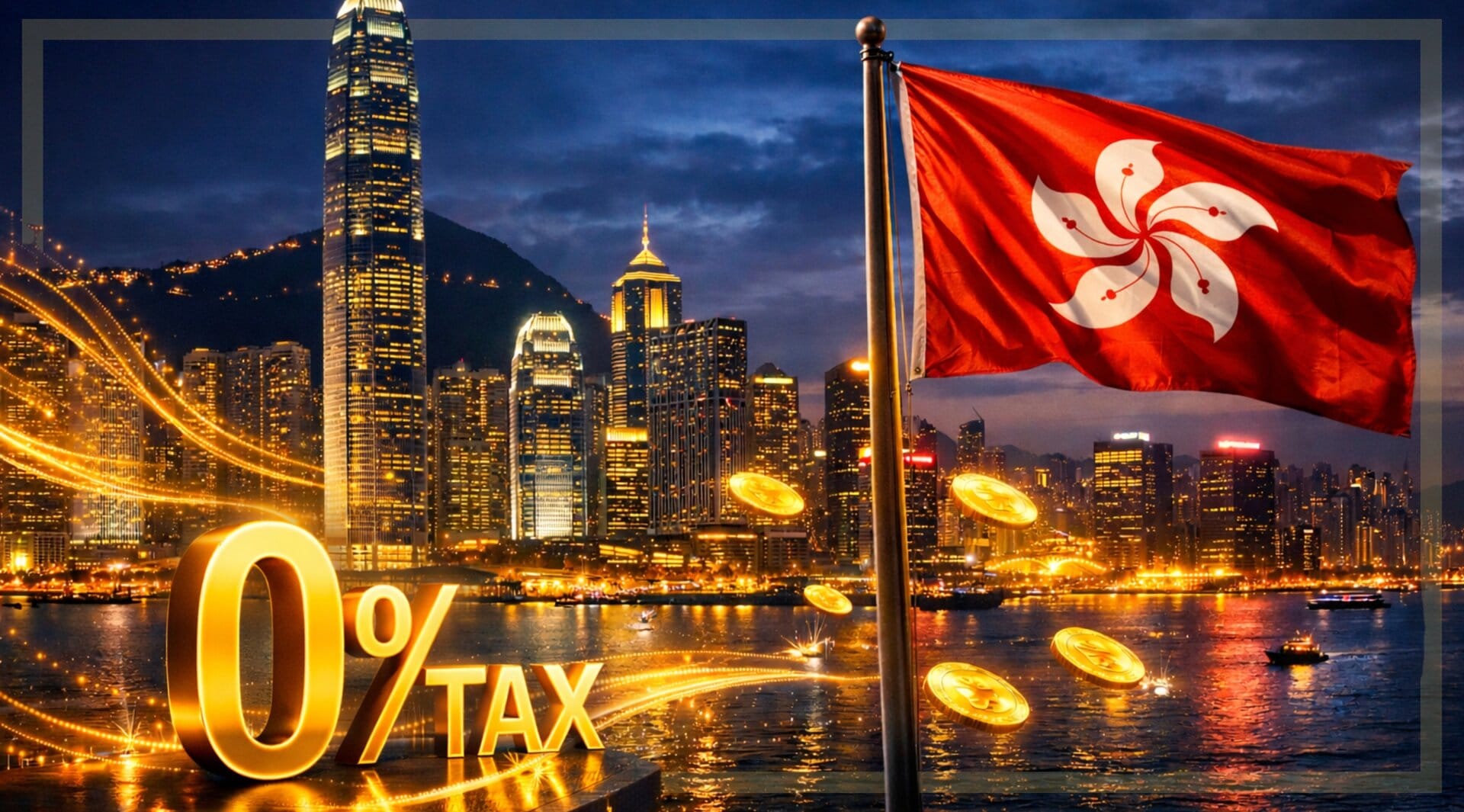
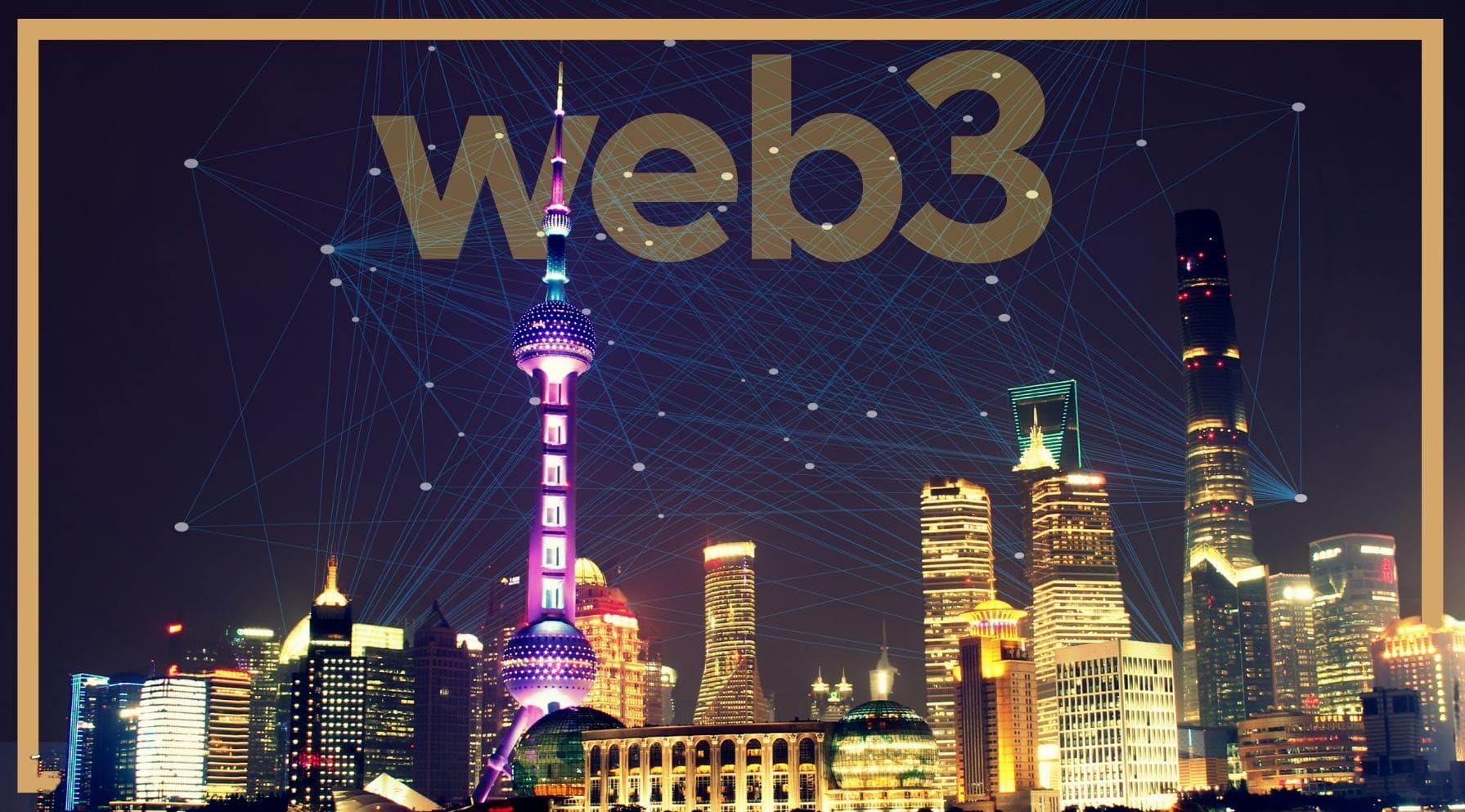
Hong Kong’s skyline at dusk masks a bold strategy to attract crypto capital through zero-tax incentives targeted at hedge funds, private equity firms, and ultra-wealthy …
What is interesting is the “anti-China” approach the tech firms have taken as they attempt to resist calls for more stringent regulation. Silicon Valley firms are arguing that this could lead to “Chinese tech giants getting more powerful.” Why?
I was keen to investigate how serious Binance really was about cleaning up their act, and how robust the compliance recruitment processes of the world’s biggest cryptoexchange are. So I decided to apply for the role under a fake name and with false credentials.
I was keen to investigate how serious Binance really was about cleaning up their act, and how robust the compliance recruitment processes of the world’s biggest cryptoexchange are. So I decided to apply for the role under a fake name and with false credentials.
This idea – of party appointees planted throughout China’s businesses and private sector – has its roots in the Opium Wars and colonial domination. Looking back at the Century of Humiliation, political theorists and Chinese leaders tried to work out how best to ensure this could never happen again.
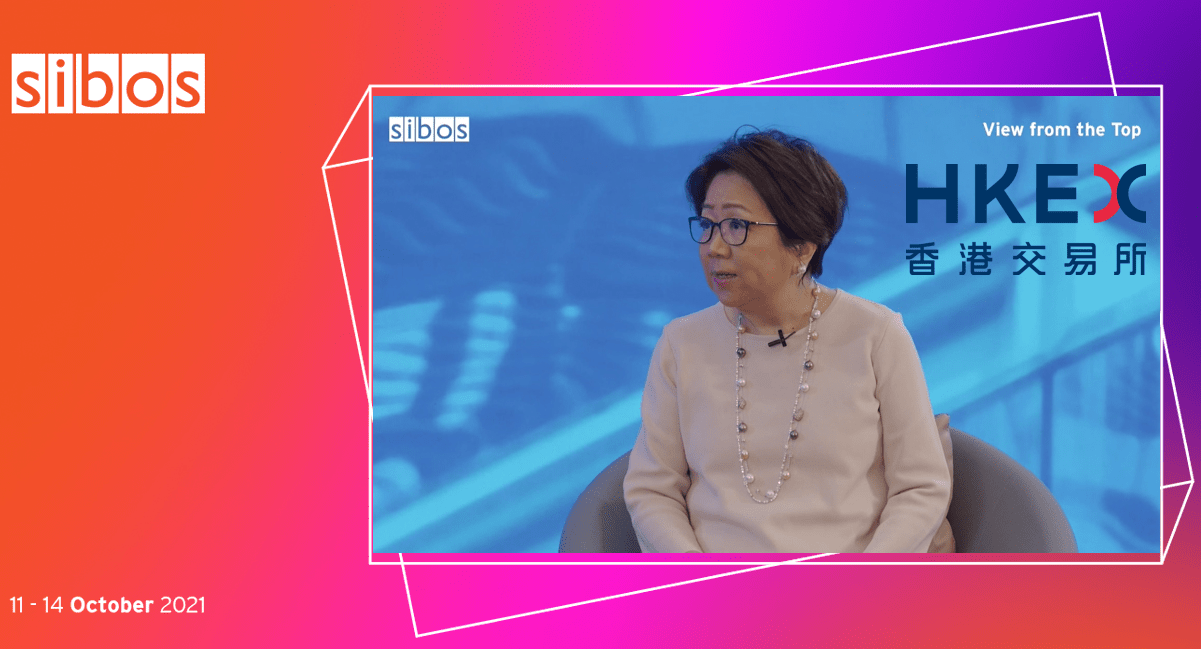
The capital provided by Hong Kong’s markets will be crucial in financing China’s – and the wider region’s – path to a net-zero future. It will be to Hong Kong that businesses and entrepreneurs across Asia look to find the capital needed to build the green infrastructure and the transformative products of the future. As economies across the continent continue to develop, and become more economically sophisticated, it will be cash originating in Hong Kong that will wean them off coal and onto green energy.
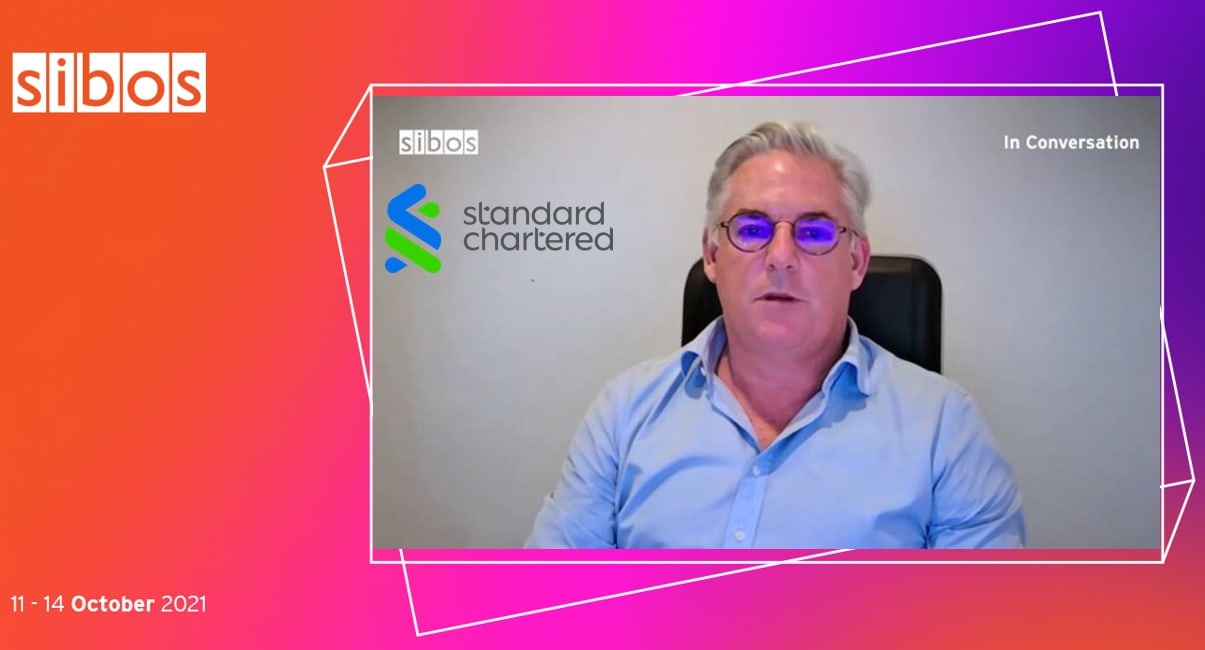
Standard Chartered or StanChart is not a bank that is shy about it’s aspirations when it comes to China. Many of the speakers at this year’s Sibos have talked about China as well. Apart from CBDCs, digital transformation and the generous plethora of leaders involved in this years’ event, the Regulator and the Customer were also talking points.
“There’s a very strong regulatory framework, one that is attracting businesses from around the world to do listings or secondary listings on the Hong Kong Stock Exchange.” Andrew shares.
Sign up for our free newsletter and receive the latest banking and fintech stories, straight to your inbox - every week
We use cookies to ensure that we give you the best experience on our website. If you continue to use this site we will assume that you are happy with it.