




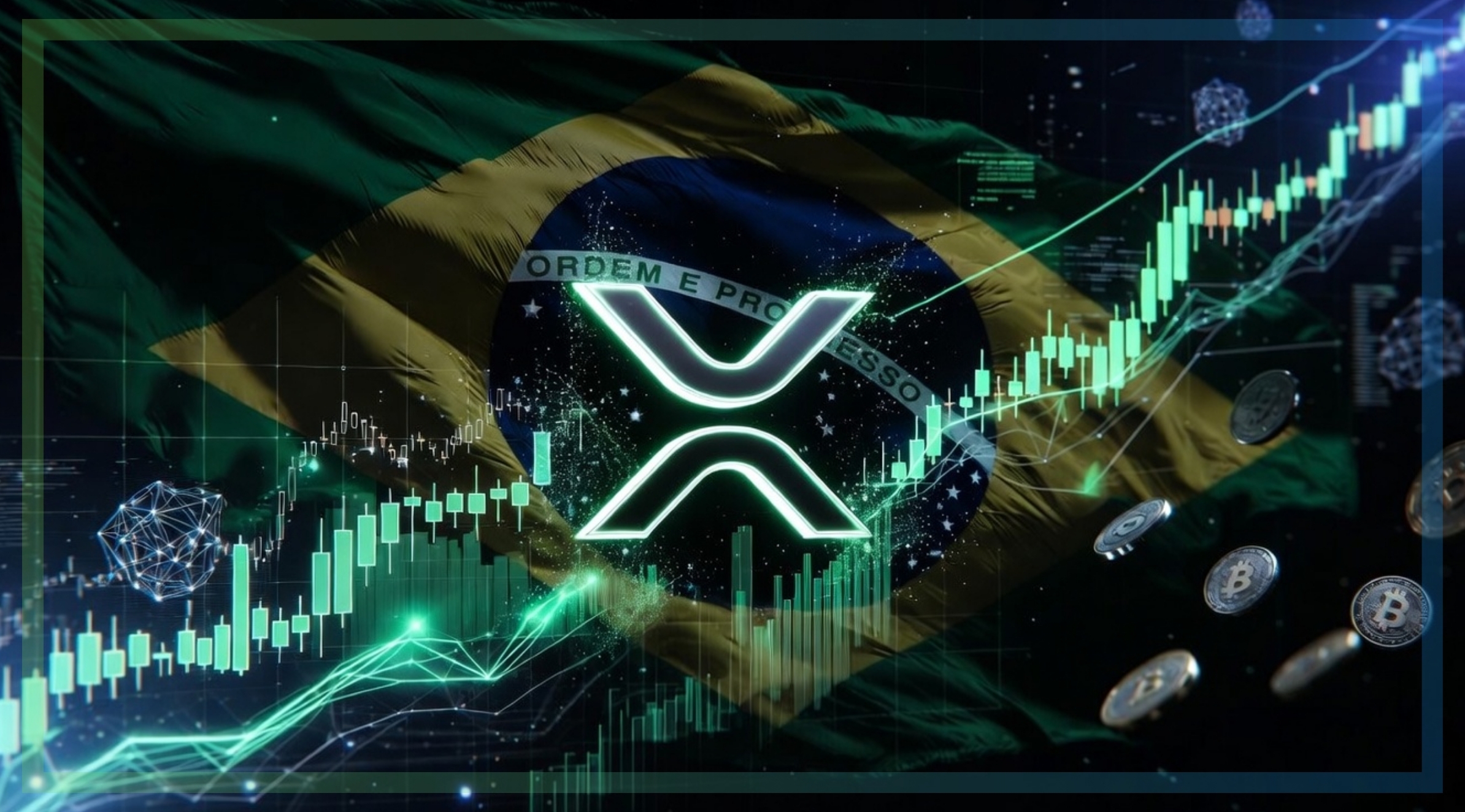
On March 17, 2026, Ripple stopped talking and started building. The San Francisco-based blockchain firm officially launched a full-stack digital banking infrastructure platform in Brazil, bundling cross-border payments, digital asset custody, stablecoin distribution, prime brokerage, and treasury management under one roof.
For anyone tracking real institutional crypto adoption, this is one of the most significant moves of the year.
Ripple is going all-in on Brazil 🇧🇷: https://t.co/6nyoBmE0wq
— Ripple (@Ripple) March 17, 2026
💸 Ripple Payments: $100B+ processed, 60+ markets, live with Banco Genial, Braza Bank, Nomad, Azify & more
🔐 Ripple Custody: Recently launched in Brazil with CRX
💰 Ripple Treasury: Decades of corporate treasury…
Brazil’s Fintech Scene Is Too Big to Ignore
Brazil isn’t only Latin America’s largest economy, it’s one of the world’s most advanced financial ecosystems. In 2023, international inbound remittances to Brazil totaled nearly $5 billion, while outbound remittances reached $2.23 billion.
The country already has PIX, the Central Bank’s real-time payment system, which has set a regional blueprint for instant payments. Countries like Colombia and Mexico are developing or expanding their own instant payment frameworks, inspired by Brazil’s model of inclusivity and interoperability.
Brazil’s digital payments market is projected to reach $10.25 billion by 2030, making it the fastest-growing regional market in Latin America. That’s the playing field Ripple just stepped onto, and it’s not stepping lightly.
Payments, Custody, Stablecoins & Treasury — All on XRP Ledger
Ripple’s expansion in Brazil includes new product capabilities across payments, digital asset custody, stablecoins, and institutional financial services. The company also plans to apply for a Virtual Asset Service Provider (VASP) license with the Central Bank of Brazil under the country’s developing digital asset regulatory framework.
Ripple’s cross-border payment system has managed more than $100 billion in transaction volume globally and operates in over 60 markets. Ripple now claims to be the only provider in Brazil capable of delivering end-to-end institutional solutions, from payments and custody to trading and treasury. That’s a bold claim. But the partnerships behind it give it teeth.
Banco Genial, Braza Bank & The Partnerships Making It Real
Banco Genial handles same-day U.S. dollar transfers, while Braza Bank uses the system for foreign exchange flows and has issued a real-backed stablecoin on the XRP Ledger. Fintech players, like Nomad, Azify, Attrus, and Frente Corretora, are also live on Ripple’s infrastructure for cross-border settlements.
What makes Braza Bank’s move interesting is the mechanics. The Brazilian real-backed BBRL, issued by Braza Bank, actively uses XRP as a bridge currency on the ledger’s decentralized exchange. Ripple’s CTO David Schwartz has consistently argued that usage beats price, and Brazil is where that argument is now being tested in the real world.
On the tokenization side, CRX, a partner working with the XRP Ledger, has used the platform to issue tokenized assets with approximately $100 million settled on-chain. Justoken is using Ripple’s custody infrastructure for tokenizing natural resource assets. This is not theoretical DeFi anymore.
RLUSD Hits $1.55B — Will It Dominate Brazil?
Ripple’s RLUSD stablecoin has officially surpassed a $1.55 billion market capitalization and is regulated under dual oversight from the OCC and the New York Department of Financial Services (NYDFS). In Brazil, it is already supported by Foxbit, Mercado Bitcoin (Latin America’s largest crypto exchange), Ripio, Banco Genial, and Braza Bank.
The dual oversight matters here. Brazilian regulators are not receptive to unregulated stablecoins. RLUSD’s compliance-first architecture gives it a real edge in a market where regulatory credibility is the cost of entry.
As we noted in our piece on Ripple’s Wall Street ambitions, Ripple has been quietly assembling the infrastructure stack for years. The Brazil announcement is where that strategy becomes visible.
What This Actually Means for Latin American Finance
PYMNTS Intelligence found that digital wallets, account-to-account transfers, and real-time payment systems are displacing cash and modernizing commerce across Latin America. Ripple is now inserting itself directly into that shift, at the institutional layer, not the retail one.
The VASP license application to the Central Bank of Brazil is the long game. If regulatory approval proceeds as planned and institutional adoption deepens, Brazil could become one of Ripple’s largest hubs for cross-border settlements, tokenized assets, and on-chain treasury operations.
Monica Long, Ripple’s President, said the company has spent more than a decade building the trust, licensing, and technology required to operate in regulated markets, and that the expanded platform is designed to meet institutions with everything they need to compete in the modern financial system.
Whether Ripple delivers on that promise in Brazil will define not just its Latin America story but its credibility as a serious institutional infrastructure play in 2026. The pieces are on the board. Now it has to execute.
Author: Ayanfe Fakunle
The editorial team at #DisruptionBanking has taken all precautions to ensure that no persons or organizations have been adversely affected or offered any sort of financial advice in this article. This article is most definitely not financial advice.
See Also:
XRP Poised for Major Repricing if CLARITY Act Passes in 2026 | Disruption Banking
Can XRP Rally in 2026? ETFs, Utility, and Outlook
The Rise in Popularity of Crypto in Brazil | Disruption Banking








One Response
rlbrl.com (Ripple Brazilian Real) $RLBRL is the future.