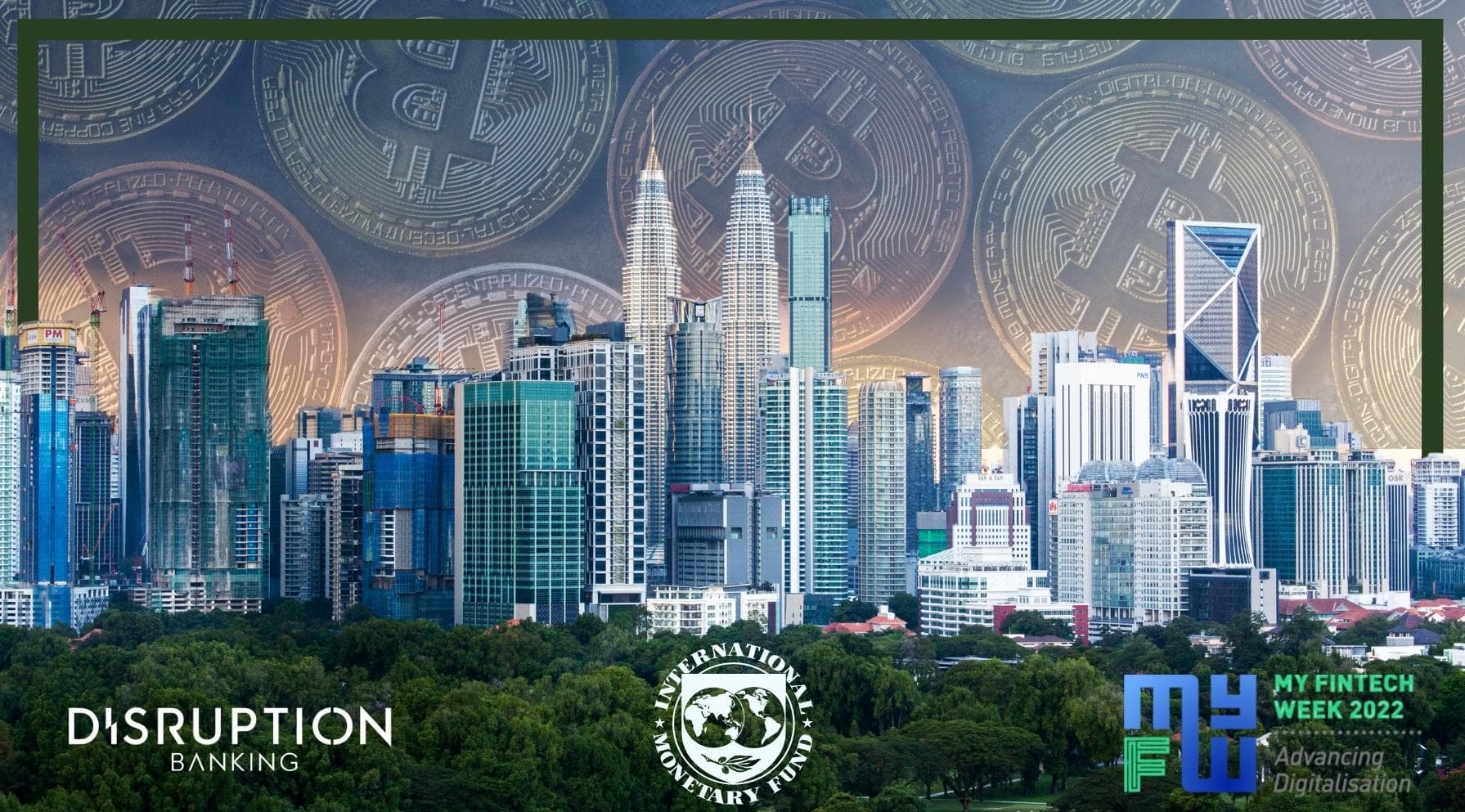
Thailand’s Securities and Exchange Commission (SEC) issued 11 notifications on October 8, allowing exchange-traded funds that hold Bitcoin and Ethereum to be listed on the Stock Exchange of Thailand (SET).
The rules take effect on October 16, in the middle of the 2026 IMF–World Bank Group Annual Meetings, which run from October 12 to 18 at the Queen Sirikit National Convention Center in Bangkok. The meetings are being held in Thailand for the first time since 1991.
Eleven Notifications, Two Eligible Assets and an 80% Exposure Floor
The SEC’s announcement limits eligible assets in the initial stage to Bitcoin and Ethereum, a list the regulator set out in a separate notification, and says any future additions will be assessed on liquidity, market acceptance, network security, and investor protection. Each fund must be passive, track the price of a single crypto asset, and maintain an average net exposure of at least 80% of its net asset value to that asset in each accounting year. Fund assets can only be held by SEC-regulated digital asset custodians, although the regulator said it may later allow qualified foreign custodians.
The rules followed two rounds of public hearings, on the principles in April and May 2026 and on the draft notifications in August and September, and the SEC said most respondents supported both. Domestic mutual funds and private funds, which until now could invest only in foreign crypto ETFs, may also buy Thai crypto ETFs within existing investment limits.
No Margin Loans and No Retail Route to Foreign Crypto ETFs
The framework also sets conditions on how investors can access the products. Investors must receive education on the risks of crypto ETFs and confirm they understand them before they trade, and securities companies cannot provide margin loans to buy crypto ETFs, in line with the existing ban on lending for crypto purchases through digital asset operators. During the initial phase, the SEC will not permit depositary receipts or other products referencing foreign crypto ETFs, and brokers may facilitate investments in foreign crypto ETFs only for institutional and ultra-high-net-worth clients.
The announcement does not name an issuer, a product, or a first trading date, so October 16 marks the point at which the rules apply rather than the start of trading.
From a 2024 Fund of Funds to Domestic Listings
Thai investors’ first regulated route to spot Bitcoin ETFs came in 2024, when the SEC approved One Asset Management’s Bitcoin ETF fund of funds, which invested in 11 overseas spot Bitcoin ETFs and was available only to high-net-worth and institutional investors. In October 2025, SEC Secretary-General Pornanong Budsaratragoon told Bloomberg that the regulator was drafting rules for domestic crypto ETFs that could extend beyond Bitcoin to a basket of cryptocurrencies. The final rules permit only single-asset funds.
The Bangkok Blueprint Lands the Same Week
On October 14, the IMF and World Bank Group released the Bangkok Blueprint, a framework developed with the Bank of Thailand to help countries prevent, detect, and address cyber-enabled fraud in digital financial services. It sets out 12 considerations across five pillars, including strengthening the fraud-mitigation life cycle, expanding domestic and cross-border cooperation, and promoting consumer protection. IMF Managing Director Kristalina Georgieva said trust is “the foundation of every financial system,” while Bank of Thailand Governor Vitai Ratanakorn said cyber-enabled fraud is a challenge that no country or institution can tackle alone. The Blueprint does not refer to crypto assets or crypto ETFs.
For Thailand’s crypto ETF framework, the next step lies with asset managers, who must demonstrate to the SEC that they have the personnel, operational systems, and service providers to run a fund before a Thai Bitcoin or Ethereum ETF can list on the SET.
Author: Ayanfe Fakunle
The editorial team at #DisruptionBanking has taken all precautions to ensure that no persons or organizations have been adversely affected or offered any sort of financial advice in this article. This article is most definitely not financial advice.