The dollar was not in the family photograph in New Delhi. It is not named in the communiqué either. That omission is the story.
On 12 and 13 September, leaders of the 11-member BRICS grouping met at Bharat Mandapam and adopted the New Delhi Declaration. The text runs to well over a hundred paragraphs on the Middle East, tariffs, UN reform and cross-border payments. Xi Jinping, Vladimir Putin and Iran’s Masoud Pezeshkian sat with the UAE’s Abu Dhabi crown prince. India got the room to sign. What it did not get was a settlement architecture with a name.
The reserve dollar barely noticed the weekend. The dollar that clears invoices, and the dollar that can be switched off, did.
BRICS payments language stops short of a dollar alternative
The monetary core is a single, tightly drafted passage. Leaders acknowledged the BRICS Payment Task Force. They noted work on “cross-border interoperability of payment and messaging channels.” They recorded discussions on settling trade and investment in members’ own currencies. Then came the clause that matters for positioning: national priorities will be respected, and there is “no one-size-fits-all approach.” The task force is told to keep working toward payments that are “fast, low-cost, more accessible, efficient, transparent and safe.”
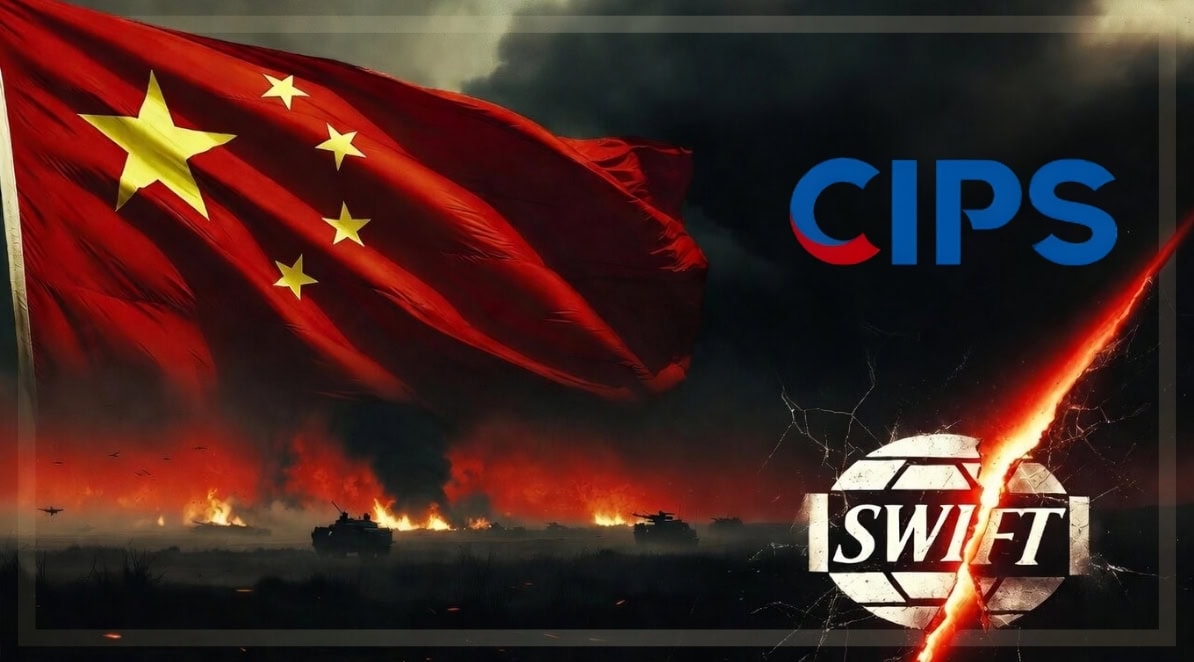
Read what is missing from the text. There is no BRICS currency. There is no named rival to SWIFT. China’s Cross-Border Interbank Payment System (CIPS) is not adopted as the club’s rail. India’s chairmanship idea, linking national fast-payment systems and central bank digital currencies, does not appear as a commitment. It survives only as work officials have “studied.”
That drafting is rational. A grouping that now contains sanctioned Iran and a dollar-and-SWIFT aligned Gulf hub cannot put one logo on the pipes. New Delhi also has no incentive to host an anti-dollar summit while it still needs dollar markets.
The New Delhi Declaration targets sanctions more than reserve status
The trade paragraphs are where the dollar actually sits. The declaration voices “serious concerns” over unilateral tariffs and non-tariff measures that distort trade. It condemns “unilateral coercive measures,” including economic and secondary sanctions that lack UN Security Council authorisation. No government is named. It did not need to be.
BRICS is not voting the dollar out of official reserves or out of the oil benchmark. It is writing down a preference. Keep the dollar where it is convenient. Build an exit where Washington can turn it off. India spent the year framing the club as non-Western rather than anti-American.
US dollar share of SWIFT and reserves has not broken
In July the dollar still accounted for about 51 per cent of SWIFT payment value and more than 80 per cent of SWIFT trade-finance value. The yuan’s share of SWIFT payments remains around 3 per cent. The dollar is still close to 57 per cent of allocated global foreign-exchange reserves. The yuan is still about 2 per cent.
Days before the summit, Kremlin spokesman Dmitry Peskov told Indian reporters that around 90 per cent of Russia’s transactions with BRICS partners now settle in national currencies. He rejected the idea of a de-dollarisation campaign. “If they don’t let us use their money, we use our own money.” That is a sanctioned economy describing its own books. It is not a measure of the whole grouping. Iranian crude into China, settled in yuan, was the pressure point we flagged in April when CIPS printed record daily volumes.
CIPS growth and the petrodollar can both be true
CIPS can clear a cargo of Iranian oil without a BRICS stamp. Participant counts and monthly values kept rising through 2026 even as the yuan’s share of global payments barely moved. The network still leans on SWIFT messaging for a large share of its traffic.
China takes the BRICS chair in 2027. If there is a window for a more China-shaped design, CIPS connectivity, e-CNY links, commodity settlement in yuan, it is next year. India’s unfinished file runs the other way: UPI-style bridges and CBDC interoperability that do not have to clear through Beijing. Both can proceed bilaterally.
What the New Delhi Declaration means for the dollar from here
The reserve dollar is not under a coordinated assault. The sanctions dollar is the exposure members are hedging, in public and in writing. The correspondent-bank dollar, the quiet network behind most cross-border invoices, will keep losing slices of BRICS trade to local-currency accounts, swap lines and CIPS, whether or not the task force ever produces a pilot.
New Delhi did not vote the dollar out. It voted to keep building doors around it.
Author: Andy Samu
The editorial team at #DisruptionBanking has taken all precautions to ensure that no persons or organisations have been adversely affected or offered any sort of financial advice in this article.