
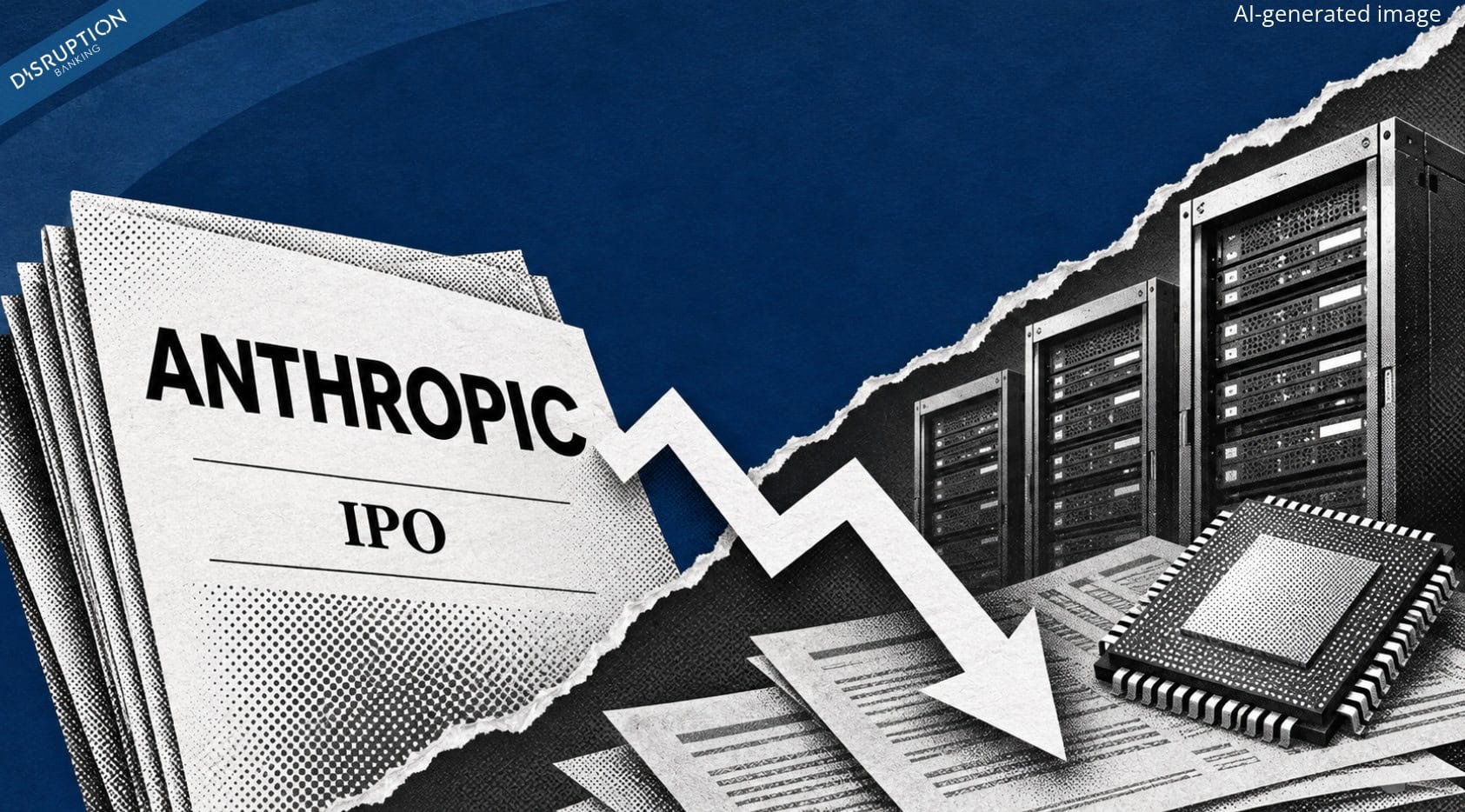
Anthropic shares fell 8.5% on November 20 to close at $88.91. The decline came one day after the company completed the largest initial public offering in history.
It priced shares at $83 and raised roughly $81 billion in the base deal before underwriters exercised an option that lifted total proceeds to about $93.5 billion.
The stock opened near $111.50 on its Thursday debut and closed that session at $97.17. That marked a gain of 17% from the offer price. It reversed sharply the next day and traded as low as $83.05.
The decline came as early investors took profits after the stock’s strong first-day rise and as a broader sell-off swept through AI-related shares.
Concerns about high valuations and the sustainability of massive spending on AI infrastructure weighed on the sector, with major names such as Nvidia also falling sharply.
Anthropic, as a newly listed pure-play AI company trading at a rich multiple of sales, was particularly exposed to the shift in sentiment.
Profit-Taking Follows Strong First-Day Rise
Profit-taking formed one of the first pressures on the shares. Some early investors who received allocations in the offering or bought during the first-day surge sold a portion of their holdings on Friday to lock in gains. That selling added supply at a moment when the initial excitement around the listing was already fading.
Many institutional investors who had been shut out of the heavily oversubscribed IPO stayed on the sidelines rather than buying in the secondary market above $83. The combination left the stock with more supply than demand.
Morgan Stanley and the other underwriters fully exercised the greenshoe option on Friday. They took about 147 million extra shares at the $83 IPO price. This raised total IPO proceeds to roughly $93.5 billion.
In large offerings the greenshoe lets underwriters sell extra shares and later decide how to cover the short position. If the stock stays strong they can buy the extra shares from the company at the IPO price. If it falls they can buy in the open market instead. That second path can help support the price. Once the option was fully used the short position was covered. The mechanism that would have encouraged open-market buying near $83 disappeared.
With profit-taking already underway and the greenshoe support gone there was little to offset the selling.
Massive Infrastructure Commitments Raise Return Questions
Anthropic’s IPO filings disclosed roughly $900 billion in future purchase commitments and lease obligations for computing power and infrastructure. Additional estimated deals pushed the total near or past $1 trillion. Many of these contracts are largely non-cancellable or have limited exit options. Tens of billions fall due in the near term.
The company estimated that $451.6 billion of the commitments would be incurred before December 31, 2030. About $70.7 billion falls due in the 12 months after September 30, 2026. Roughly $186.2 billion of the total is subject to termination rights or conditions that must be met before the obligations begin. Anthropic warned that a revenue shortfall or a failed fundraising could cause defaults.
To justify the $83 offer price the company would have to grow at a rate over the next five years that no firm of its size has ever sustained for that long. The scale of the spending obligations reinforced investor concerns about whether growth could generate returns fast enough to support the valuation.
Bond fund managers project that Moody’s, S&P and Fitch will rate Anthropic double-B. That sits one or two notches below investment grade. Such a rating would cut the company off from the U.S. high-grade corporate bond market. Pension funds and insurers often cannot buy junk bonds under their mandates. The restriction would raise the cost and limit the availability of debt just as the company funds its infrastructure build-out.
AI Sector Sell-Off and Political Risks Compound Pressure
Anthropic went public into a market that had already turned cautious on artificial intelligence.
Weeks of selling in AI-related stocks reflected growing skepticism that enormous capital expenditure on data centers, chips and computers would translate into sustainable profits at the valuations investors had been willing to pay.
The sector had driven market gains. Doubts about returns on that spending, combined with setbacks at major players such as Nvidia, left many investors reassessing how much they would pay for AI growth.
The political backdrop added another layer of uncertainty. Democrats’ strong performance in the November midterm elections raised the prospect of tighter oversight. Data-center expansion had already become a flashpoint for voters and local communities.
A shift in the balance of power in Washington increased fears of new regulations on energy use, environmental impact and AI development. For a company whose business depends on massive long-term infrastructure build-out that political risk weighed on sentiment.
Together the market’s growing skepticism and the regulatory overhang created a difficult environment for the debut. Even a record-breaking IPO could not fully insulate the stock from a sector-wide reassessment of AI valuations.
Pure Profit Taking, Or A Deeper Selloff?
Friday’s decline could ultimately prove to be little more than routine profit-taking after a blockbuster debut as early investors locked in gains once the initial surge cooled.
It could also mark an early sign that broader doubts about AI valuations and the sustainability of massive infrastructure spending are more durable than the enthusiasm that drove the IPO.
With Anthropic trading close to its offer price after only two sessions the market has yet to decide which reading will prevail. The coming weeks of trading and the company’s first results as a public company will help clarify whether the drop was mainly technical or the start of a deeper reassessment of the AI trade.
Author: Scott Danaher
See Also:
Why Did Anthropic’s IPO Fail To Rescue The KOSPI? | Disruption Banking