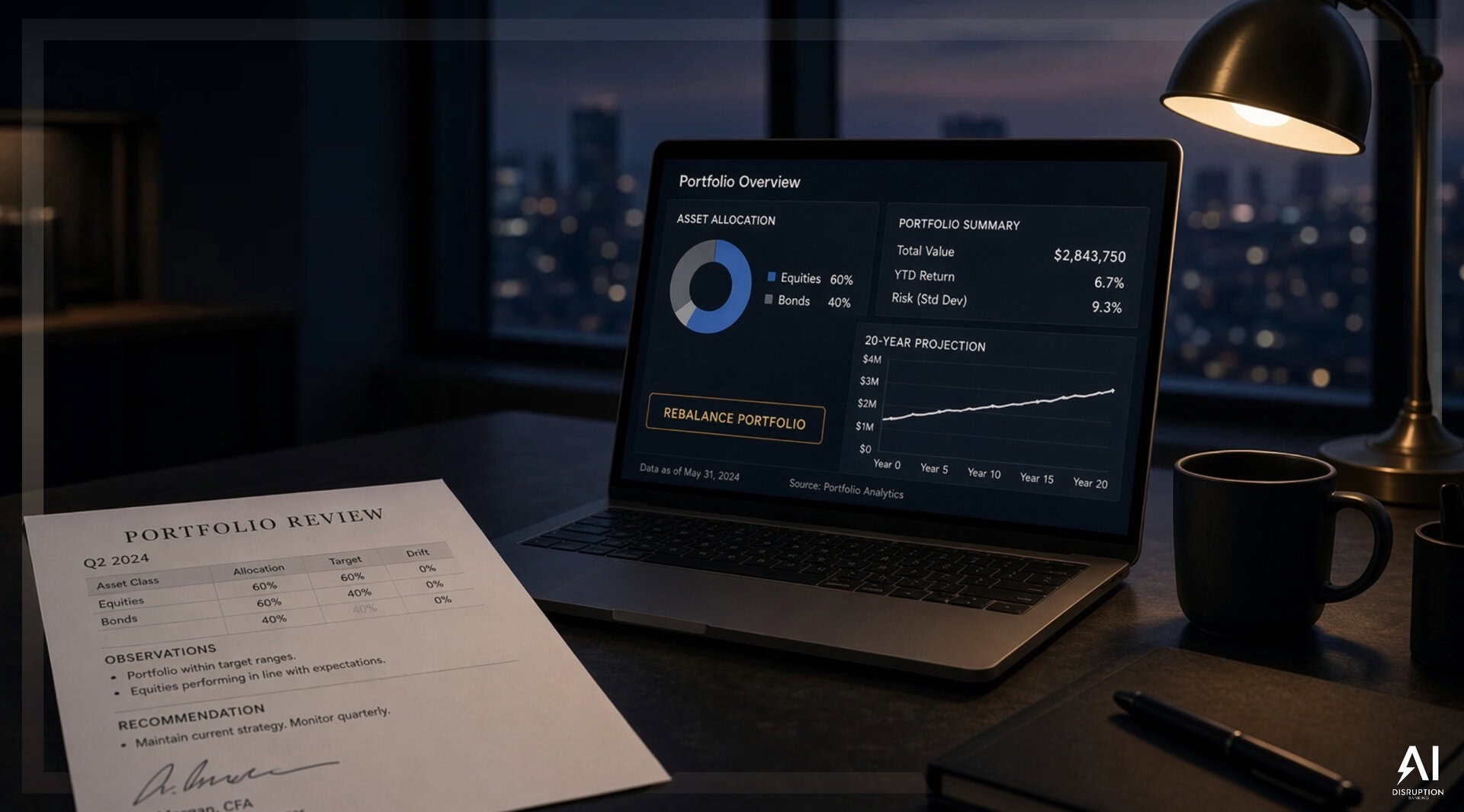
Markets can change quickly, but long-term investment goals usually do not. Interest rates, inflation and economic uncertainty can move asset prices and make short-term performance feel more important than it is. If you invest for a long-term goal, like retirement, reacting to every market shift can pull you away from your original plan. Portfolio monitoring offers a more measured approach. Regular reviews help you see whether your investments still match your objectives, while professional oversight can add discipline when markets become unsettled. The aim is to keep your investment strategy aligned with your needs.
What Is Portfolio Monitoring?
Portfolio monitoring involves regularly reviewing your investments, their performance and the level of risk you take. Rather than focusing only on whether your portfolio has risen or fallen, you assess whether it still supports your financial goals. For example, a six-month fall may matter less when you invest for retirement in 20 years than when you expect to use the money next year. A structured review helps you put performance into that wider context.
Why Asset Allocation Matters
Asset allocation describes how you divide your portfolio between investments such as shares and bonds. Because different assets respond differently to economic conditions, this mix influences your potential returns and exposure to market falls. Suppose your strategy starts with 70% in shares and 30% in bonds. After a strong period for shares, the split might reach 80:20. You now hold more equity risk than you originally chose. Regular monitoring identifies this drift, allowing you to consider whether the new balance still reflects your circumstances and tolerance for losses.
Understanding Portfolio Rebalancing
Rebalancing brings a portfolio back towards its intended asset allocation. An investor or portfolio manager might reduce holdings that have grown beyond their target weighting and direct money towards assets that now represent too little of the portfolio.
If a planned 60:40 share-to-bond allocation becomes 68:32, for instance, rebalancing can restore a balance closer to the original strategy. This approach encourages you to make decisions according to a plan rather than reacting emotionally to recent market performance.
How Professional Oversight Supports Investors
Professional oversight can help you maintain a consistent investment process. Investment professionals can track asset allocations, review risk and adjust portfolios according to an established strategy. For example, using the Wealthify investment platform can suit you if you prefer professionals to manage and monitor a portfolio rather than doing it yourself. This can reduce the practical burden of deciding whether every market movement requires action.
Professional management does not remove your responsibilities. Check the investment approach, risk level and fees so you understand how the service handles your money.
Keep the Destination in View
Portfolio monitoring should help you stay connected to the purpose behind your investments. Your portfolio may ultimately fund future goals or greater financial flexibility, so short-term market movements should not automatically dictate your decisions. Professional oversight can provide structure, but your objectives remain the reference point. As your life changes, reviewing those goals matters just as much as reviewing market performance. A long-term plan therefore needs enough attention to remain relevant without allowing temporary market noise to take control.