
Turkey and Indonesia are facing growing scrutiny over the transparency and integrity of their equity markets. On October 15, index provider MSCI froze certain changes to its Turkish indexes and proposed reclassifying Indonesia from Emerging Market to Standalone status.
The measures followed investor complaints about ownership opacity and suspected coordinated trading. In its 2026 Market Classification Review, MSCI said: “International institutional investors frequently raise concerns with MSCI when they experience persistent opacity in shareholding structures and suspect coordinated trading behavior.”
The decisions highlight the growing willingness of index providers to restrict market access or threaten a downgrade when investors cannot reliably assess ownership and trading conditions.
Turkey: MSCI freezes index changes
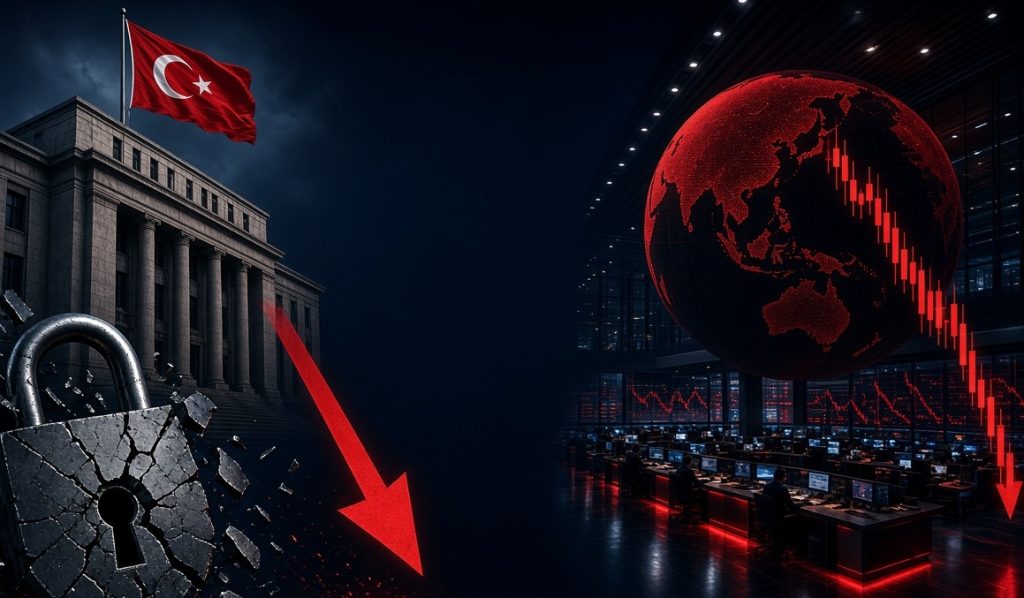
MSCI announced an immediate freeze on changes to its Turkey equity indexes, effective until further notice. Under the restrictions, it will not implement increases to Foreign Inclusion Factors or Number of Shares, add new securities to the MSCI Turkey Investable Market Index, or allow upward migrations across size-segment indexes.
The decision followed concerns raised by investors during MSCI’s 2026 Market Classification Review about “possible coordinated trading through fund holdings closely affiliated with certain smaller listed companies”.
In September, Turkey’s Capital Markets Board ordered the liquidation of 131 funds, reportedly representing more than $18 billion in assets, amid investigations into suspected market manipulation.
Two funds at the heart of the scandal, Tera and Pusula, were reported to have bought each other’s shares and engaged in concentrated buying of smaller, less-liquid stocks. Redemption pressures at Pusula funds contributed to wider withdrawals and market stress, with Tera funds subsequently facing redemption difficulties.
Turkish equities came under further pressure following MSCI’s announcement. The benchmark BIST 100 fell by more than 3% the following day, adding to losses that had already left the market well below its mid-year levels.
Turkish authorities have since tightened the rules on free-float calculations, excluding certain stakes held in funds where the underlying beneficial owner would not qualify as a free-float shareholder.
MSCI acknowledged the regulatory response but stressed that investors needed to see sustained improvements in implementation and enforcement. Its concerns extend beyond the introduction of new rules to whether authorities can demonstrate that they are working consistently across the market.
Indonesia: proposed downgrade to Standalone status
Indonesia faces a more immediate classification threat. On October 15, MSCI launched a consultation on a proposal to reclassify the country directly from Emerging Market to Standalone status, bypassing the Frontier Market category.
In January, MSCI placed the same freezes on Indonesia as it did on Turkey after investors raised similar concerns about the transparency of shareholding structures and suspected coordinated trading.
The Indonesian regulator (OJK) responded with several reforms intended to address these problems. Measures included enhanced disclosure requirements for shareholders holding at least 1% of a company, more detailed classification of investor types, a High Shareholding Concentration framework and plans to raise the minimum free-float requirement for listed companies from 7.5% to 15%.
In its June review, MSCI said the reforms were “a step in the right direction” but “what matters for international institutional investors is the consistent implementation and sustained effect of these measures across the market.” It said if sufficient progress was not made, it would consider re-classifying Indonesia from Emerging Market status in November.
Ahead of the November review, the index provider said “significant concerns remain around market dysfunction”, pointing to continued suspected coordinated trading and insufficient evidence of meaningful enforcement. It concluded that Indonesia’s continued Emerging Market classification was “no longer appropriate”.
MSCI proposed skipping straight to Standalone status, indicating that Frontier status would not adequately reflect the severity of the issues identified.
The day after the announcement, the Indonesian regulator announced sanctions totaling 2.1 trillion rupiah, or approximately $116 million, against parties involved in trading in three listed companies: Dian Swastatika Sentosa, Barito Renewables Energy and Petrindo Jaya Kreasi.
The regulator found that shares offered in the IPOs of Barito Renewables Energy and Petrindo Jaya Kreasi had allegedly been earmarked from the outset for groups affiliated with their controlling shareholders. The regulator said the practice concentrated ownership among a limited group, restricting the shares available for trading on the market. It also said it had found market manipulation in Dian Swastatika Sentosa share trading.
Indonesia’s equity market reacted sharply to the proposed downgrade. The Jakarta Composite Index fell by around 11% on October 16, marking its steepest single-day decline since 1998. The sell-off added to losses that had already left the benchmark down close to 40% for the year.
What happens next?
The two markets now face different paths, although both must demonstrate that regulatory changes are producing tangible improvements. The final decisions on both countries will be made by June 2027.
MSCI said that it will downgrade Indonesia unless the consultation identifies “clear evidence of material improvements in market governance and functioning” to justify a reconsideration.
For Turkey, they said “institutional investors will need to see credible and sustained enforcement” of the proposed regulatory changes. If sufficient progress is not made by June, MSCI will seek to downgrade Turkey from Emerging Market to Frontier or Standalone Market status.
Implications for investors
The decisions highlight how market governance can directly affect international capital flows. A downgrade can force passive funds to sell holdings to reflect the revised benchmarks, while active investors may reduce exposure amid concerns over transparency, liquidity and enforcement.
The move to Standalone status would exclude Indonesian stocks from global indexes tracked by billions of dollars in passive investments. Reports estimate that removal from MSCI’s Emerging Market indexes could trigger around $4 billion in passive outflows, with active investors potentially adding a further $15 billion in outflow.
Turkey’s freeze does not automatically require existing holdings to be sold but could restrict new index-linked investment and weigh on investor confidence.
Summary
The actions taken by MSCI underline that Emerging Market status depends on more than market size. They show that transparent ownership, reliable free-float data and credible regulatory enforcement are essential to maintaining international investor access.
Both cases show how index inclusion rules can force mechanical selling and amplify existing weaknesses when free-float and trading integrity concerns arise.
For asset managers, the episodes emphasise that Emerging Market status is not guaranteed and that ownership transparency is now a material risk factor for country allocations.
Author: Scott Danaher
See Also:
Why Is Economic Growth Slowing In Turkey? | Disruption Banking
.