
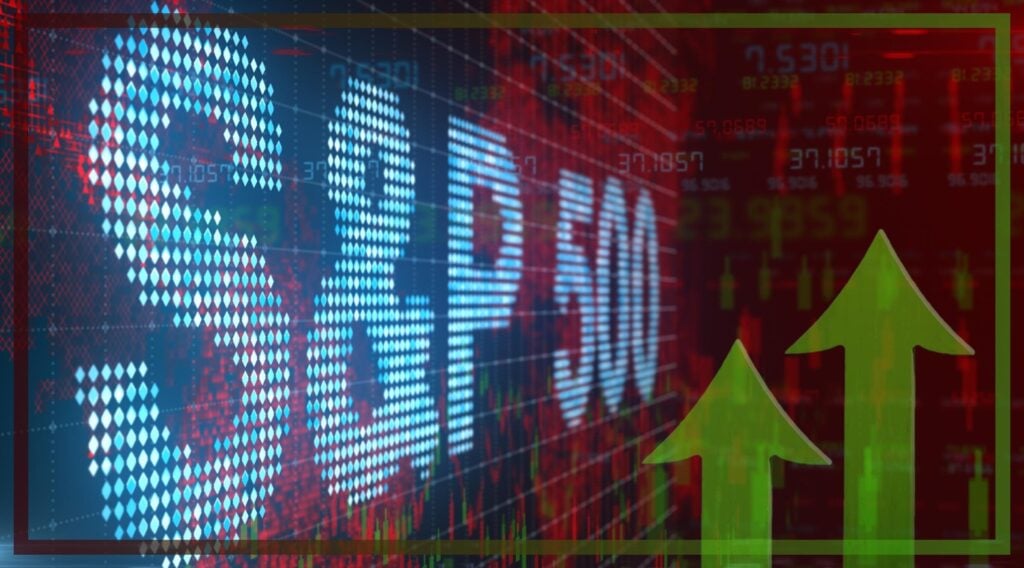
The S&P 500 closed at a record 7,563.63 on Wednesday, May 28, 2026, after reports emerged that U.S. and Iranian negotiators had reached a draft 60-day agreement to extend the ceasefire. The Nasdaq rose 0.91% to finish at 26,917.47, while the Dow Jones edged up 0.05% to 50,668.97.
Ceasefire Hopes Lift Risk Appetite
The reports signaled a lower probability of near-term military escalation, a shift with direct consequences for oil prices, inflation, and investor confidence. The Iran conflict had already pushed U.S. inflation to a three-year high in April, driven largely by elevated energy prices. A ceasefire extension, if confirmed, would ease supply pressure from the Persian Gulf.
Oil prices fell to a six-week low on the session, Treasury yields declined, and the VIX volatility index dropped to its lowest level since January 23, reflecting a broad easing of near-term fear.
As Jamie Cox, managing partner at Harris Financial Group, told Reuters: “Traders are on a hair trigger with the back-and-forth on deal news.”
The Rally Was Not Only About Iran
Geopolitical relief was not the session’s only catalyst. Technology stocks led sector gains, rising roughly 1.3%, with Microsoft, AMD, Palantir, and IBM among the contributors. Snowflake surged approximately 35% after a strong earnings beat and raised full-year guidance.
AI-related momentum and better-than-expected corporate results provided additional support.
Risks Have Not Disappeared
The deal still required approval from President Trump and had not been formally finalised. Iran’s Tasnim news agency said the text of a potential memorandum of understanding (MoU) had not been confirmed.
April PCE inflation came in at 3.8% annually, nearly double the Federal Reserve’s 2% target, while first-quarter GDP growth was revised down to a 1.6% pace. Energy stocks pulled back as oil eased, but the macro backdrop remains sensitive to any reversal in the ceasefire narrative.
Markets are pricing relief, not certainty. Wednesday’s record close reflects investors reducing the probability of a sharper geopolitical and inflation shock. It’s not necessarily a conclusion that the underlying conflict has been resolved.
Author: Richardson Chinonyerem
The editorial team at #DisruptionBanking has taken all precautions to ensure that no persons or organisations have been adversely affected or offered any sort of financial advice in this article. This article is most definitely not financial advice.
See Also:
What explains the S&P 500’s remarkable performance? | Disruption Banking
‘Fear and Chaos’: How would the S&P 500 react to a US default? | Disruption Banking

Richardson Chinonyerem
Contributing author at Disruption Banking, covering capital markets.