As US President Donald Trump announced a renewed blockade of Iranian ports near the Strait of Hormuz early today, global oil prices surged and risk assets came under fresh pressure. Chinese and Hong Kong equities were among those feeling the impact.
Critical Chokepoint Returns to Spotlight
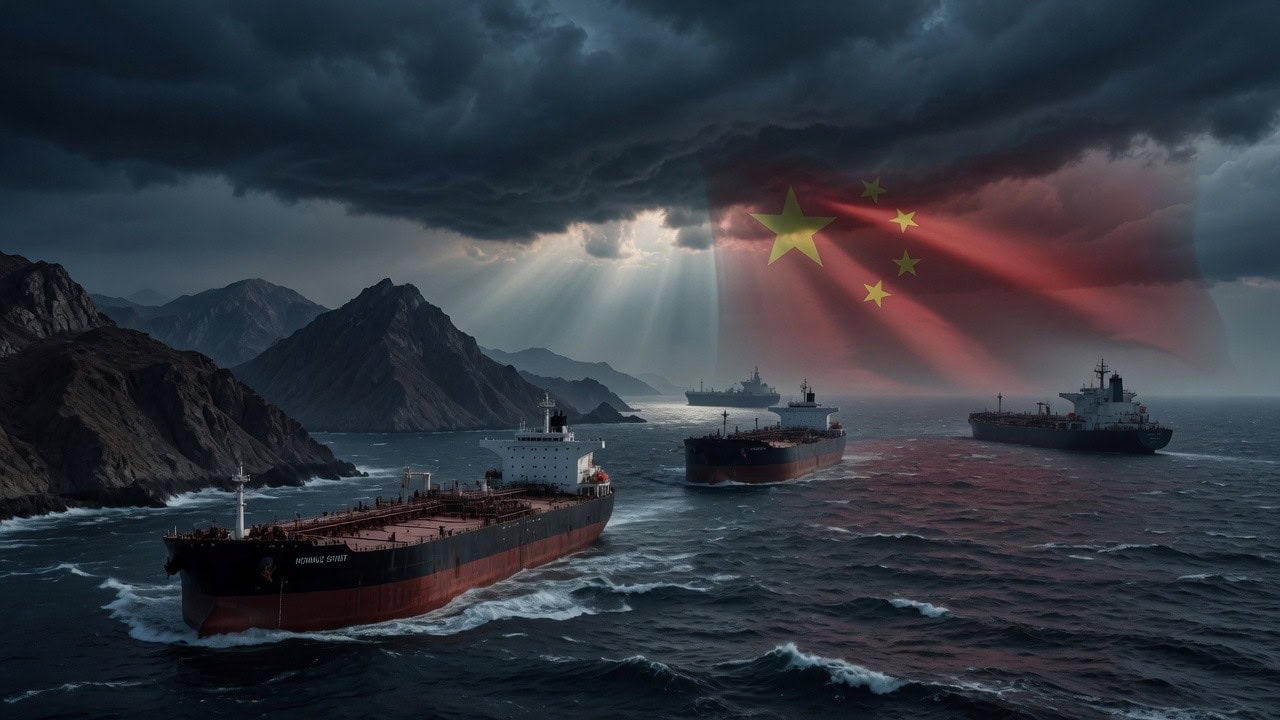
The Strait of Hormuz, a critical chokepoint carrying roughly one fifth of global oil trade, has returned to the spotlight. Trump’s statement, alongside reports of explosions on Iran’s southern coast, has heightened fears of potential supply disruptions. Brent crude rose more than 9 percent at one stage, while WTI also climbed sharply. Oil prices remain highly volatile.
Chinese Markets Open Cautiously
Chinese markets opened on a cautious note. The Hang Seng Index showed mild gains in early trade but remained volatile, while the CSI 300 was largely flat. The tech focused STAR 50 came under clearer selling pressure, extending its recent weakness.
Why Chinese Stocks Are Exposed
The vulnerability of Chinese stocks stems from two main factors. China remains the world’s largest crude oil importer, with a substantial share sourced from the Middle East. Rising energy costs threaten margins across industrials, chemicals, and transportation. At the same time, renewed geopolitical uncertainty is weighing on overall risk appetite, particularly for growth and export-oriented names that have already faced challenges this year.
Some rotation into energy related plays and defensive sectors has been visible, but the broader market tone stayed cautious ahead of important Chinese economic releases later this week.
What This Means Going Forward
This latest development in the US Iran standoff adds another element of volatility to global markets that were already on edge. For Chinese equities, which have displayed pockets of resilience but remain sensitive to commodity shocks, the combination of higher oil prices and geopolitical risk could test recent support levels in the coming sessions.
The situation continues to evolve rapidly. Further escalation around the Strait of Hormuz would likely keep upward pressure on oil and weigh more heavily on oil import dependent economies such as China, while offering short term support to domestic energy producers.
Author: Andy Samu
See Also:
Was ¥2.3 Trillion Really Wiped Out from China’s Stock Market in Two Hours? | Disruption Banking