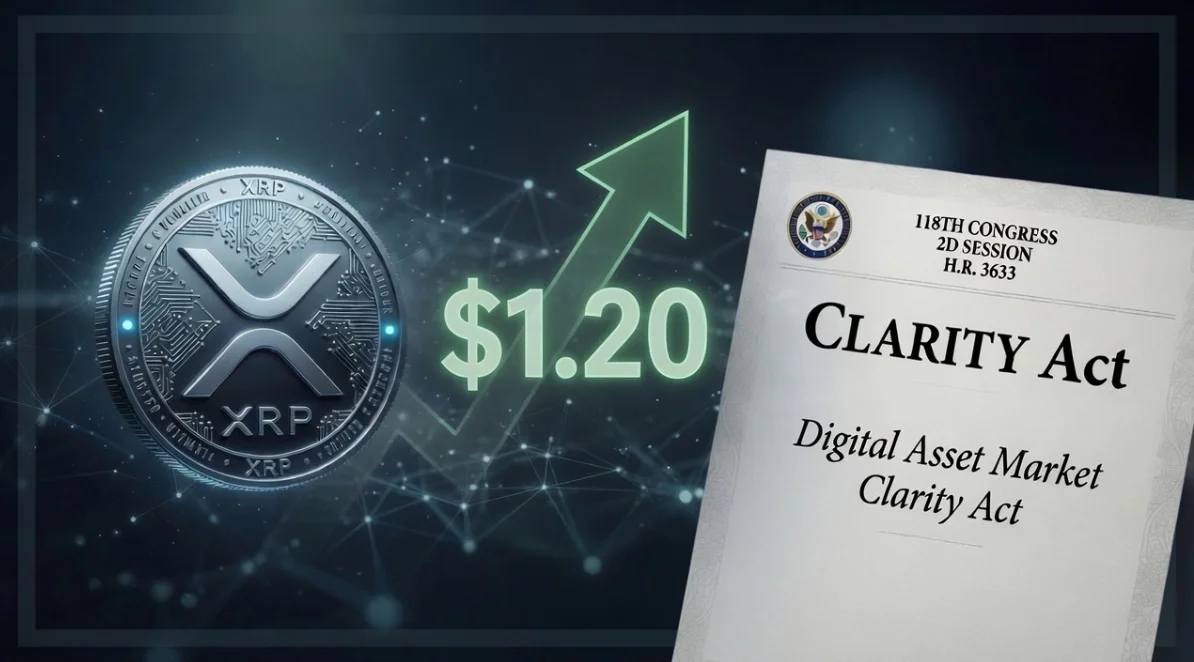
On December 1, 2025, Swiss-based 21Shares, a leading crypto ETP issuer, launched its U.S. spot XRP ETF (ticker TOXR) on the Cboe BZX exchange. Per the November 7th SEC filing, the ETF tracks the CME CF XRP-Dollar Reference Rate, giving investors direct exposure to XRP’s spot price without holding the token themselves. It is backed by physical XRP held in institutional-grade custody (Anchorage and BitGo), mirroring the structure of approved Bitcoin and Ether funds.
21Shares is no newcomer to crypto ETPs. It manages over 40 such products and controls roughly half of Europe’s crypto ETP market. TOXR is the first U.S. XRP ETF offered by a European issuer. A testament to 21Shares’ global reach (the firm operates across Europe, the Middle East, and Asia).
With its deep crypto experience, 21Shares’ entry lends weight to the XRP ETF market at a time when investors and regulators were eager for institutional offerings.
ETF Inflows Reshape XRP Liquidity and Price
The reaction was immediate. In the week leading up to the launch, all approved U.S. spot XRP ETFs (Bitwise, Canary, Franklin, Grayscale, etc.) drew massive inflows. By early December, cumulative inflows into U.S. XRP funds had already topped roughly $666 million, helping XRP’s price surge about 12% over a few days. For example, Bitwise’s new XRP ETF alone attracted about $135 million in its first three days, and Canary’s debut ETF logged a $58 million trading volume on day one. This flood of institutional buying has also thinned supply.
On-chain data show roughly 29% decline in exchange-held XRP since February 2025 (about 6.5 billion tokens withdrawn), likely moving into ETFs or cold wallets. With fewer tokens for sale, analysts say further ETF demand could push XRP toward the mid-$2 range to $3.00 if the trend continues.
In all, XRP’s market dynamics are shifting. Heavy inflows via new ETF creation put upward pressure on price, while massive withdrawals from exchanges suggest a looming liquidity squeeze. Some traders even saw a brief “sell-the-news” pullback after the launches, but most agree that the longer-term effect is bullish if sustained. As one analysis notes, the accelerating ETF accumulation “could pressure prices higher if institutional inflows accelerate.”
~$18,000,000 of inflows into the Bitwise XRP ETF, ticker $XRP, yesterday.
— Hunter Horsley (@HHorsley) November 25, 2025
Now ~$135,000,000 in the first 3 days since it's launch.
Grateful to investors entrusting Bitwise to steward their assets.
Onward — https://t.co/qIWISyKYC0
Institutional Appetite and Retail Access
These XRP ETFs are squarely aimed at institutions, and the initial numbers reflect that. Industry leaders poured money in fast. According to VALR CEO Farzam Ehsani the ETF flows are perhaps the most structurally significant of altcoin ETFs, noting an 8-day streak of inflows totaling over $620 million as “an early sign of real institutional appetite.”
Inflows from hedge funds, asset managers, and family offices have been the main story so far. But retail investors are also watching. By trading on U.S. exchanges and settling in dollars, these ETFs let anyone with a brokerage account buy XRP, without opening a crypto wallet or exchange account. As one analyst put it, the structure of the ETF brings “regulated custody, daily price transparency, and the ability to hold the asset in standard brokerage accounts.” That means financial advisors, retirement funds, and average investors can now add XRP to portfolios the same way they buy stocks.
This dual track, heavy institutional interest plus open retail access, is intentional. Unlike the early crypto trust models, these spot ETFs are fully regulated and must publish NAV and holdings daily. They combine crypto exposure with the oversight of the SEC’s ETP regime.
For everyday investors, the main change is convenience: XRP is now one ticker symbol at Fidelity or Schwab. For institutions, it’s a familiar wrapper they trust. The rapid inflow streak shows real demand from large players, but the total assets under management (in the high hundreds of millions) are still small relative to Bitcoin funds, so volatility remains a concern.
Global Crypto Race and Banking Implications
The U.S. XRP ETF race is part of a global scramble for crypto products. Europe and Asia have long had crypto ETPs (Europe’s MiCA rules came into force in 2023), and 21Shares dominates those markets. Its U.S. ETF marks a European entrant taking aim at Wall Street. Other issuers worldwide — WisdomTree, VolatilityShares, ProShares, and others — have filed with U.S. regulators for XRP ETFs.
Meanwhile, crypto-friendly jurisdictions in Asia (Singapore, Hong Kong), Brazil, and the Middle East are examining similar funds. The result is a fast-growing menu of crypto funds becoming available globally.
This trend blurs the lines between traditional banking and digital assets. Ripple’s own network underscores that. It recently raised $500 million at a $40 billion valuation and now counts over 300 financial institutions in its global payments network. In effect, an asset originally pitched as a bridge currency for banks is trading on Wall Street. Banks and legacy firms are taking notice.
The success of XRP ETFs could inspire them to adopt blockchain settlement rails or at least offer crypto products to clients. Whether this disrupts old banking models or simply augments them, one thing is clear: mainstream finance is weaving digital tokens into its fabric. As one crypto strategist, @JackTheRippler, a long-standing XRP supporter, observed, the sheer number of planned XRP ETFs “is enough to influence expectations” and shows how quickly the institutional market is evolving.
BREAKING: SEC greenlights Grayscale’s Digital Large Cap ETF, blending #Bitcoin #Ethereum #XRP #Solana and #Cardano!
— #DisruptionBanking (@DisruptionBank) July 1, 2025
A game-changer for crypto investors, this ETF unlocks institutional capital and could fast-track single-asset ETFs like XRP#Crypto #ETFhttps://t.co/oo3uBfObtq pic.twitter.com/gKZMOhybfU
XRP’s Leap into Regulated Finance Forces Banks to Rethink Their Playbook
Each day brings new developments. For now, XRP’s transition from the fringes to a regulated U.S. exchange-traded fund is a watershed moment. The SEC’s changed stance, 21Shares’ aggressive entry, and the explosive capital flows together mark a pivotal chapter in crypto’s maturity.
#Crypto #XRP #ETF #21Shares #WallStreet
Author: Ayanfe Fakunle
The editorial team at #DisruptionBanking has taken all precautions to ensure that no persons or organizations have been adversely affected or offered any sort of financial advice in this article. This article is most definitely not financial advice.