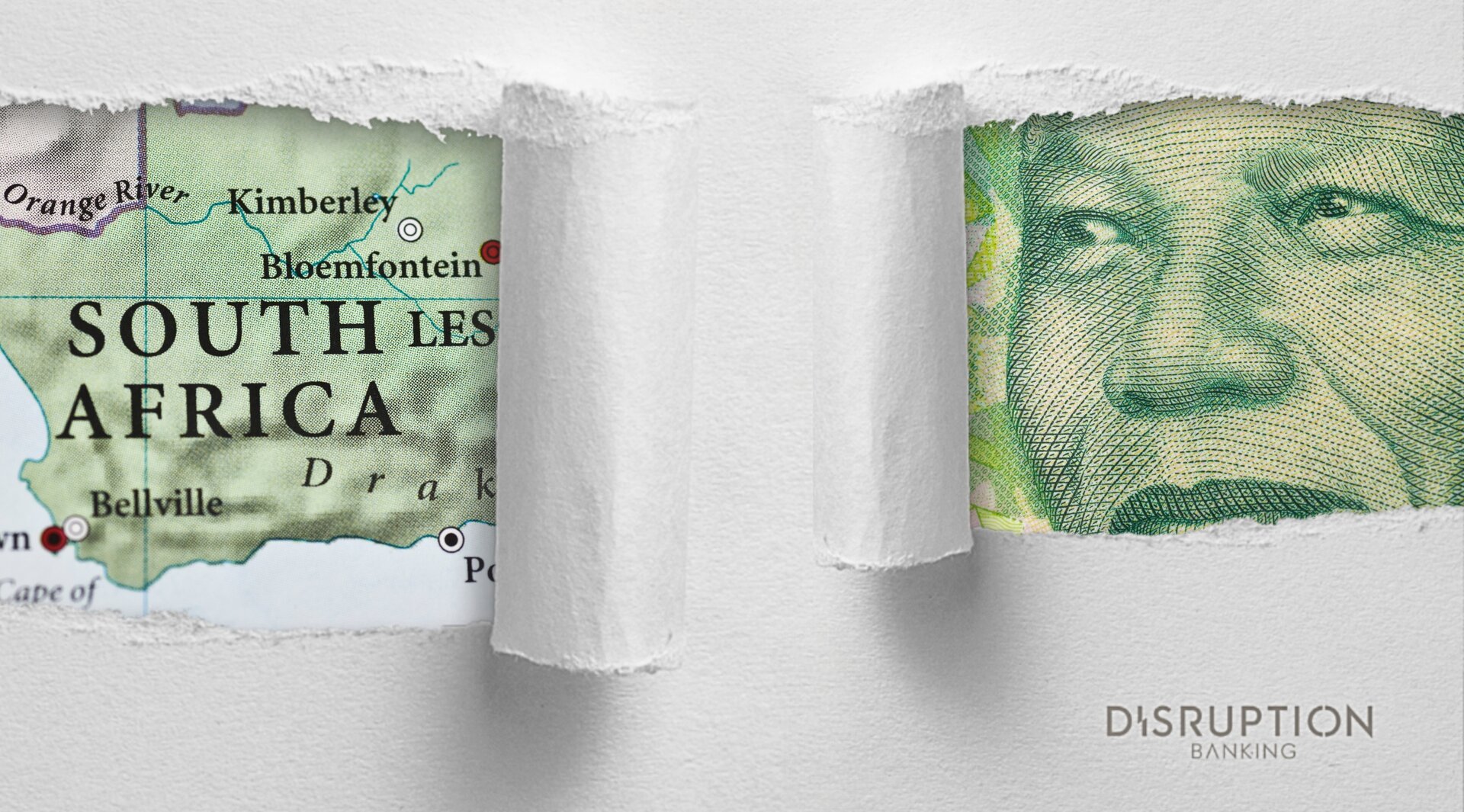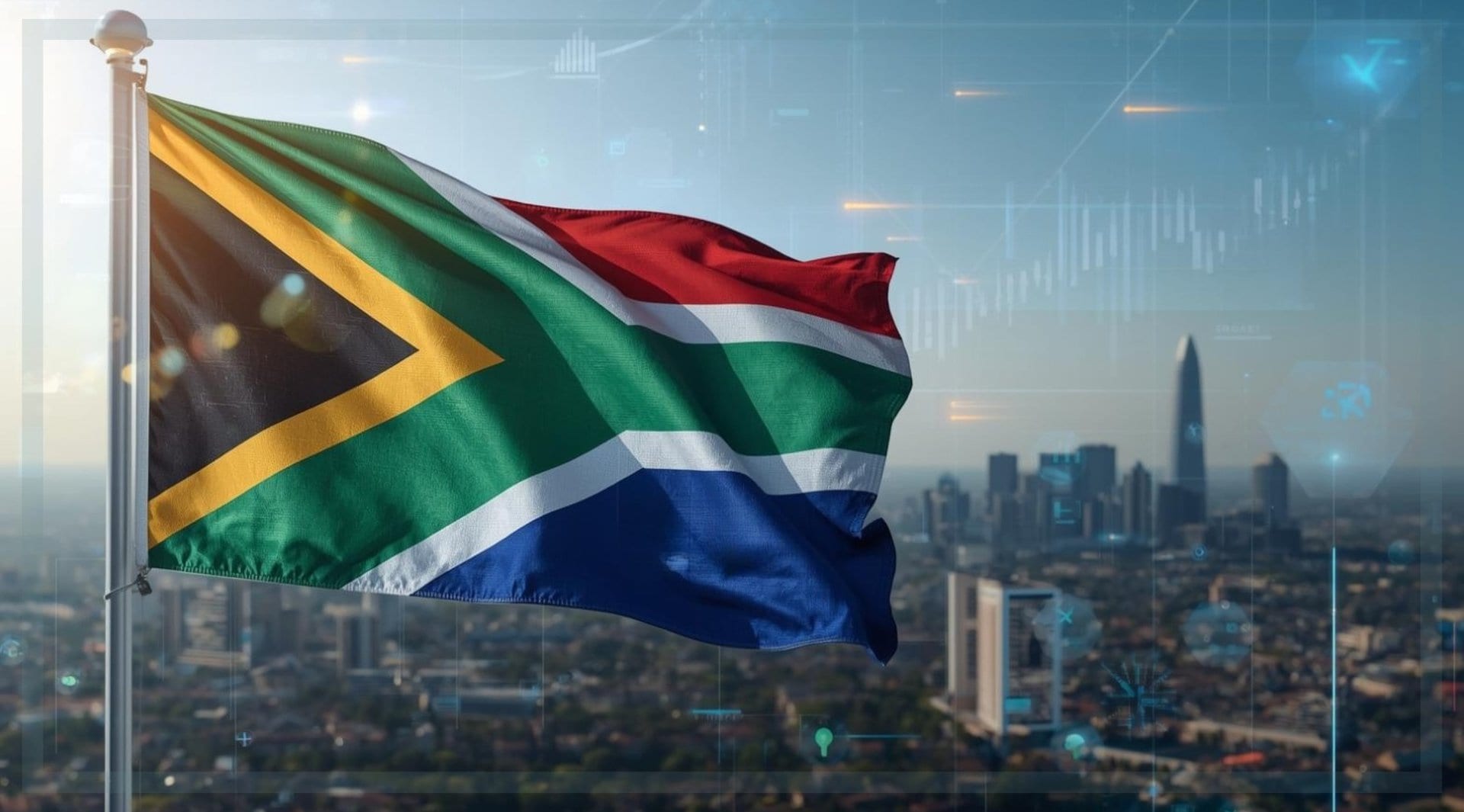
The International Monetary Fund (IMF) has delivered a cautiously optimistic verdict on South Africa’s economy, concluding its 2025 Article IV consultation with a nod to resilience, and a warning on debt.
In its February 11, 2026 statement, the IMF said growth picked up to an estimated 1.3% in 2025 and is projected at 1.4% in 2026, rising gradually toward 1.8% over the medium term. Inflation, which averaged 3.2% in 2025, is expected to converge to the newly adopted 3% target by end-2027. Public debt, however, is set to climb further, reaching roughly 81% of GDP by 2028, from roughly 77% in 2025, even as fiscal deficits narrow modestly.
For a country long defined by volatility, from power shortages to global trade fragmentation to the Rand (ZAR) currency fluctuations, the IMF’s tone was notably balanced. South Africa’s “ample natural endowments, independent institutions and strong monetary policy framework” were singled out as anchors of stability.
3% Inflation Target: SARB’s Credibility Play
At the center of the macro story is the shift to a 3% inflation target, narrowing the previous band. The IMF praised the move by the South African Reserve Bank (SARB), calling it a credibility-enhancing step likely to reduce borrowing costs over time.
The repo rate stood at 6.8% at end-2025, down from 7.8% a year earlier, as inflation cooled. The Fund advised a “flexible and data-driven approach,” warning that communication will be critical as the target is phased in.
For banks and fintech lenders, anchoring inflation expectations near 3% matters. Lower volatility in rates reduces funding costs, supports longer-dated credit issuance and strengthens capital planning. In a system where private-sector credit growth slowed to 3.9% in 2025 before a projected rebound to 5% in 2026, predictability is currency.
VIDEO | IMF forecasts 1.4% growth for South Africa in 2026 https://t.co/WdPFBKoLBW
— SABC News (@SABCNews) February 11, 2026
Fiscal Rule or Fiscal Drift?
While growth and inflation trends are stabilizing, the fiscal math remains stubborn. The overall deficit is forecast at 4.9% of GDP in 2026, narrowing to 4.2% by 2028. Yet gross government debt continues to edge higher.
The IMF explicitly backed the idea of a fiscal rule anchored in a prudent debt ceiling. A signal to markets that consolidation must become structural, not cyclical. Directors urged reprioritizing spending, improving efficiency and protecting vulnerable groups, while mobilizing domestic revenue.
For the sovereign-bank nexus, this is pivotal. South African banks remain well-capitalized and sound, the IMF said, but exposure to government debt links balance-sheet health to fiscal sustainability. Rising debt without a credible anchor risks crowding out private credit and tightening financial conditions.
Grey List Exit, AML Overhaul: Banking’s Quiet Win
One underappreciated development is South Africa’s exit from the FATF “grey list,” following upgrades to its anti-money laundering and counter-terrorist financing framework.
The IMF welcomed reforms to bank-resolution regimes and financial safety nets, alongside strengthened supervision of banks and non-bank financial institutions. It also urged continued monitoring of non-performing loans and systemic risk channels.
For digital banks and cross-border payment firms, enhanced AML credibility lowers friction in correspondent relationships and reduces the compliance premium attached to South African transactions. In a global environment of heightened fragmentation, regulatory trust is an asset.
Electricity, Logistics, Reform Fatigue
Structural reform remains the elephant in the room. The IMF backed ongoing electricity and logistics reforms aimed at unlocking private-sector participation and removing supply bottlenecks that have constrained output for years.
Yet risks are “tilted to the downside,” the Fund said, citing global trade tensions and domestic reform fatigue. Unemployment remains entrenched at around 32%, and inequality metrics remain stark. With a Gini coefficient above 60 (or 0.6), which is an extremely high level of income inequality.
Without faster reform execution, potential growth remains capped near 1.8%, per the IMF report. For banks, that means a shallow credit cycle; for fintechs, slower customer expansion; for the sovereign, thinner revenue buoyancy.
In Sum: The Window for Reform Is Open, But Narrowing
Nominal GDP is projected to rise from $401 billion in 2024 to $512 billion by 2028. The current account deficit widens gradually to 1.7% of GDP. Foreign reserves remain broadly adequate, though trending slightly lower relative to import cover.
Taken together, South Africa is stable, but not accelerating. The IMF’s message is less crisis management, more structural urgency.
For interested parties watching the country, it’s somewhat clear that macro credibility has been preserved. Now the question is whether fiscal rules, power reform and private-sector participation can turn resilience into growth.
Without that shift, the economy risks remaining stuck in what might be called equilibrium mediocrity.
Author: Richardson Chinonyerem
The editorial team at #DisruptionBanking has taken all precautions to ensure that no persons or organizations have been adversely affected or offered any sort of financial advice in this article. This article is most definitely not financial advice.
See Also:
How Strong Will the South African Rand (ZAR) Be in 2026? | Disruption Banking
South Africa: Staff Concluding Statement of the 2025 Article IV Mission | Disruption Banking