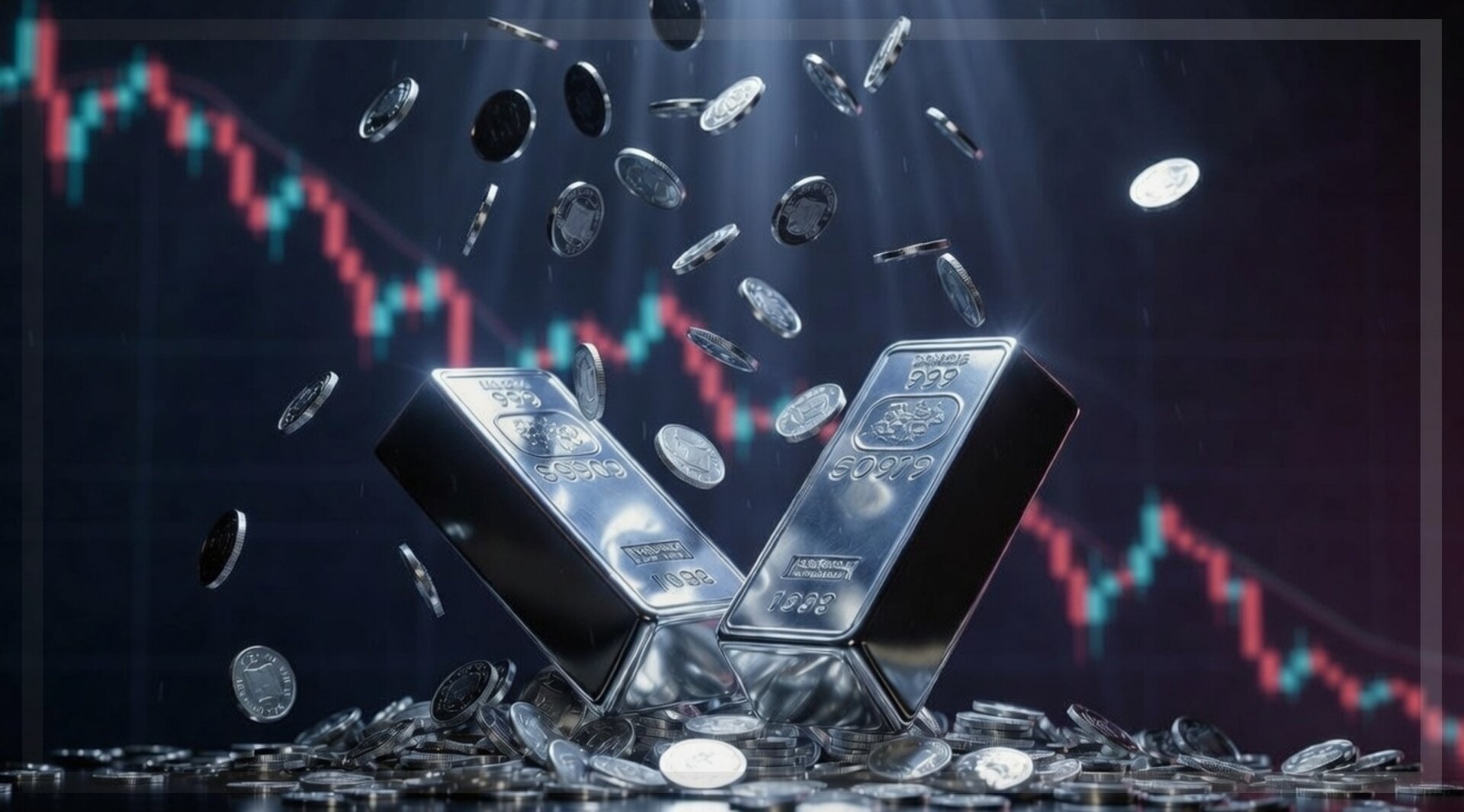
The past week’s wild swings in gold and silver reminded observers of the historic precious-metals crash of 1980. Within 48 hours, gold went from euphoria at 5,600 dollars to panic around 4,700 – a swing of nearly 1,000 dollars per ounce. Silver followed, falling from above $114 to ~$78.
On the surface, the explanation was clear and convenient: broader equity markets sold off amid renewed anxiety about AI-driven disruption, dragging metals lower in sympathy.
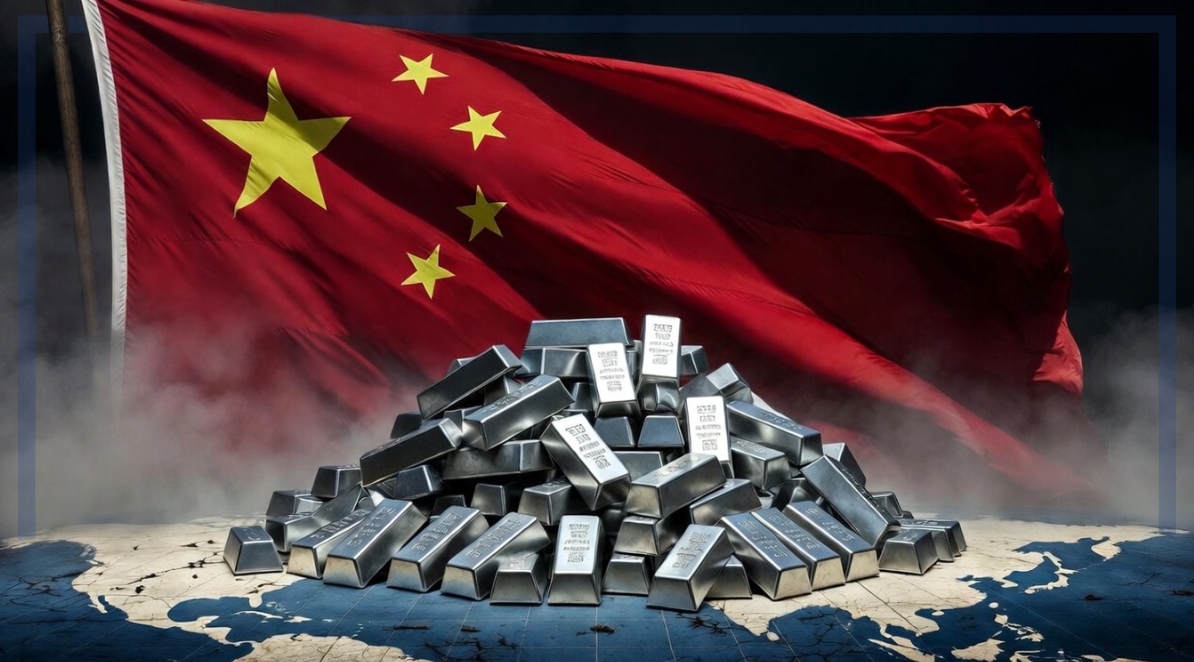
Heavy inflows went to ETFs tracking gold and silver, and some analysts blame the wild swings on Chinese traders, especially retail and institutional investors.
Scott Bessent, Treasury Secretary, put it plainly, “The gold move thing, things have gotten a little unruly in China … They are having to tighten margin requirements. So gold looks to me kind of like a classical, speculative blowoff.”
Due to the long weekend, markets in China and the U.S. remained closed on Monday after a surge in the value of precious metals on Friday, leading observers to speculate that investors may have resorted to booking their profits. Holiday-culled capital may have further exaggerated the swing.
Jobs, Rates, and the Real Fulcrum
Underneath, the macro picture is less tidy. January’s delayed U.S. employment report showed 130,000 jobs added versus the 70,000 expected, with unemployment steady at 4.3%. Stronger labor data complicates the Federal Reserve’s rate path and reinforces the idea that policy normalization may remain uneven.
The jobs data and interest rates both play a role in gold prices: a better economic climate puts downward pressure on gold, while higher interest rates put downward pressure on non-yielding assets like bullion. CPI data is set to further frame that debate, and rate expectations remain the fulcrum on which gold trades in the short term.
But the price action may not be entirely domestic.
Bloomberg reported on a Russian memo outlining proposals that could bring Moscow back into U.S. dollar settlement channels as part of a broader economic understanding with the Trump administration. If true, even the hint of renewed dollar alignment from a major commodity power can temporarily cap gold’s momentum. Markets don’t need a policy shift; they only need a narrative shift.
Bulls & Banks
Still, few in the metals space are backing off the structural thesis. The consensus among sector analysts remains that the gold bull cycle is intact, just volatile.
Keith Weiner of Monetary Metals is projecting $6,000 gold in 2026 and $120 silver by year-end. Those numbers aren’t outliers anymore. Forecasts from institutions such as BMO and CIBC are echoing similar higher price bands, signaling that institutional capital is increasingly pricing in an extended bull phase.
If metals volatility is the story on one side of the industry, consolidation is the story on the other.
2026 M&A Party?
Merger talks between Rio Tinto and Glencore collapsed, eliminating what would have been the largest mining deal in history. But that doesn’t signal cooling. A TD Cowen survey of institutional investors and mining executives suggests M&A is accelerating into 2026, particularly in gold, silver, and copper.
IAMGOLD emerged as the most cited takeover candidate, followed by Artemis Gold and Arizona Sonoran Copper.
Meanwhile, Barrick Mining’s proposed IPO of its North American gold assets faces friction from partner Newmont within the Nevada Gold Mines joint venture. Governance disputes at the asset level may complicate what was expected to be a clean capital markets transaction.
Bloomberg noted that various sovereign buyers, like Poland and the Chinese Central Bank, as well as major banks and assets managers, including Deutsche Bank AG and Goldman Sachs, have been piling into gold.
Gold may climb to $6,000 an ounce by the end of the year according to BNP Paribas’ David Wilson https://t.co/aSP6TGqfUO
— Bloomberg (@business) February 10, 2026
None of this consolidation is likely to make a dent on the broader gold and silver trajectory. In short: gold is volatile, silver is volatile, M&A is heating up, and the dollar hegemony is under more dramatic attack than at any time in the last three decades.
Rumors of the Dollar’s Death
However, the dedollarization narrative rests heavily on a view of the dollar’s illegitimacy as a global reserve currency, and there isn’t a credible alternative. The Chinese Yuan is less transparent, less easily convertible, and hindered by capital controls. The Yuan is structurally prevented from appreciation because Beijing needs Chinese exports to stay cheap or their whole economic model unravels. Meanwhile, the Euro suffers from the divergent interests and fiscal fragmentation of the nations that use it.
In the end, the dollar’s demise as a global reserve currency will be primarily determined by the fiscal trajectory, political stability, and geopolitical situation of the U.S. Even if the Trump administration drives the U.S. into the ground with unsustainable debt, internal conflict, and foreign misadventures, as seems to be the case, the dominance of the dollar is unlikely to change in the short term.
Perhaps the greatest threat to the dollar is the diversification of global central banks away from the dollar. For the first time in decades, central banks are holding more gold than U.S. Treasuries. That suggests a deeper realignment and a shift in the way the most important economists view the dollar’s integrity.
Author: Tim Tolka, Senior Reporter
#Crypto #Blockchain #DigitalAssets #DeFi
The editorial team at #DisruptionBanking has taken all precautions to ensure that no persons or organizations have been adversely affected or offered any sort of financial advice in this article. This article is most definitely not financial advice.