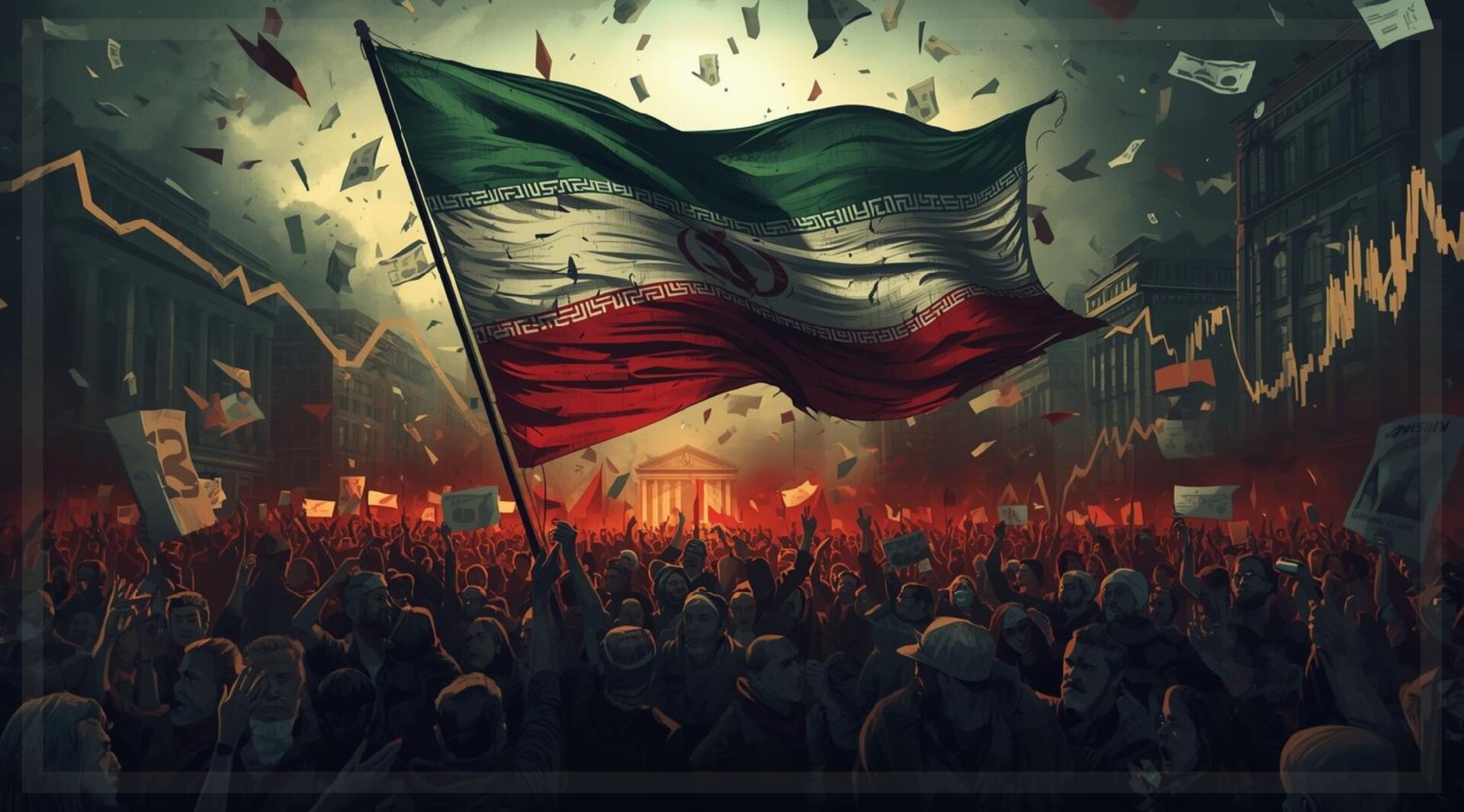
On December 28th, 2025, anti-government protests erupted in Tehran and quickly spread to other towns and cities in Iran. Initially, the protests were led by merchants and traders who were focused on economic issues, namely the country’s rampant inflation. Within days, however, university students and others joined in, and the protests became about a broader host of social issues.
Since that time, Iran’s security forces have violently cracked down on protests, leaving thousands dead. Amidst the crackdown, the Iranian government enacted a blackout of the country’s own internet, making it difficult for foreign monitors to gauge accurate casualty numbers.
Now, nearly a month after the unrest began, it seems that most large-scale protests have been suppressed, brutally. American President Trump’s threats to attack Iran earlier in the month didn’t materialize and Iran now moves on to an unknown future.
Meanwhile, President Masoud Pezeshikian has appointed Abdolnasser Hemmati as the new governor of the Central Bank of the Islamic Republic of Iran.
What Led to the December Protests?
In 2022, Iran’s currency, the rial, traded at 430,000 to 1 U.S. dollar. By the end of December 2025, the rial had slipped to 1.38 million per U.S. dollar. To put this number into context, directly following the Islamic Revolution in 1979, the rial was valued at 70/71 rials per dollar.
Accompanying the rial’s sharp decline in recent years, Iran has suffered through double-digit inflation for decades. In December of 2025, the inflation rate had risen 42.2% from the previous year. Food costs skyrocketed 72% from the preceding year.
While these numbers are high, they have been high for some time. So what, specifically, acted as the spark for mass protests in late December? One probable answer is gasoline. In mid-December, Iran raised the price of gasoline for its citizens.
While the price of gasoline is kept extremely low in Iran, any increase is greatly felt by the populace. Before December 2025, the last time Iran raised gasoline prices was 2019, which sparked its own deadly riots. In December of 2025, riots erupted just a mere two weeks after the price increases.
While a gasoline price hike might have contributed to unrest, ultimately the problem lies in sanctions, capital flight and mismanagement. To address these issues, Abdolnasser Hemmati has been brought in for a second time to govern the central bank.
New Boss, the Same as the Old Boss
Hemmati, who holds a doctorate in economics, previously served as the governor of the Central Bank of Iran from 2018 to 2021. He then ran for president as a moderate in 2021, coming in third. Restricted by the cleric-driven Guardian Council from running in 2024, Hemmati instead became Iran’s Economy Minister.
But Hemmati did not stay in the job long. In early March of 2025, Hemmati was impeached by the Iranian parliament in a no-confidence vote, 182-89. Ironically, Hemmati was impeached for failing to address the very problems he has now been brought back to the central bank to fix. All of this has happened in less than a calendar year.
On December 29 2025, then-governor of the Iranian Central Bank, Mohammad Rez Farzin, resigned amidst mass protests. Left without a governor, President Pezeshikian soon thereafter appointed Hemmati as the bank’s new governor, the same position he vacated in 2021.
President Pezeshkian, who attended Hemmati’s impeachment hearings the previous spring and disagreed with parliament’s decision to oust the former economy minister, clearly thinks Hemmati still has something to offer. However, Hemmati’s previous record at the bank reflects a stark devaluation of the rial and rampant inflation.
Bad Timing or Bad Governance?
Abdolnasser Hemmati has never had it easy at the central bank. During his first tenure in 2018, the Trump administration unilaterally withdrew the United States from the 2015 Joint Comprehensive Plan of Action (JCPOA), colloquially known as the Iran-nuclear deal, which sought to neuter Iran’s nuclear ambitions.
Upon the U.S.’s exit from the deal, all previously enacted sanctions by the US on Iran’s oil exports and banking sector were reinstated, resulting in currency deviation and increased inflation.
While the increased cost of imports contributes to inflation, it is only part of the story. The Iranian government relies heavily on oil exports to fund its operations. With the profit from oil exports greatly reduced, Iran has repeatedly printed money to fund its operations.
The new money flooding the system has unsurprisingly accelerated inflation rates. If an economy is growing in tandem with inflation, it can withstand the price increases. But this is not what has happened in Iran in recent years.
When Monetary Policy Meets Political Reality
While Hemmati has been in key positions for some of the worst inflation increases, at other times, he has been critical of the government for not addressing what’s causing it.
In 2023, Hemmati was quoted saying: “How is it possible to control inflation with this volume of money printing?… Governments in Iran have become accustomed to spending more than they earn.”
However, Iran’s monetary base doubled during Hemmati’s first two-year stint as governor of the central bank, resulting in inflation and unsustainable cost-of-living increases. While he tried to curtail rampant money printing via funding the government through the issuance of bonds, the results were mixed.
What happens now that Hemmati is back at the helm of the central bank is anybody’s guess. The conditions are extremely challenging, and no governor of the Iranian Central Bank has a particularly good record in recent years. With U.S. sanctions firmly in place, Hemmati has his work cut out for him, as he did in his first go-around eight years ago.
Author: Tim Tolka, Senior Reporter
#Crypto #Blockchain #DigitalAssets #DeFi
The editorial team at #DisruptionBanking has taken all precautions to ensure that no persons or organizations have been adversely affected or offered any sort of financial advice in this article. This article is most definitely not financial advice.