





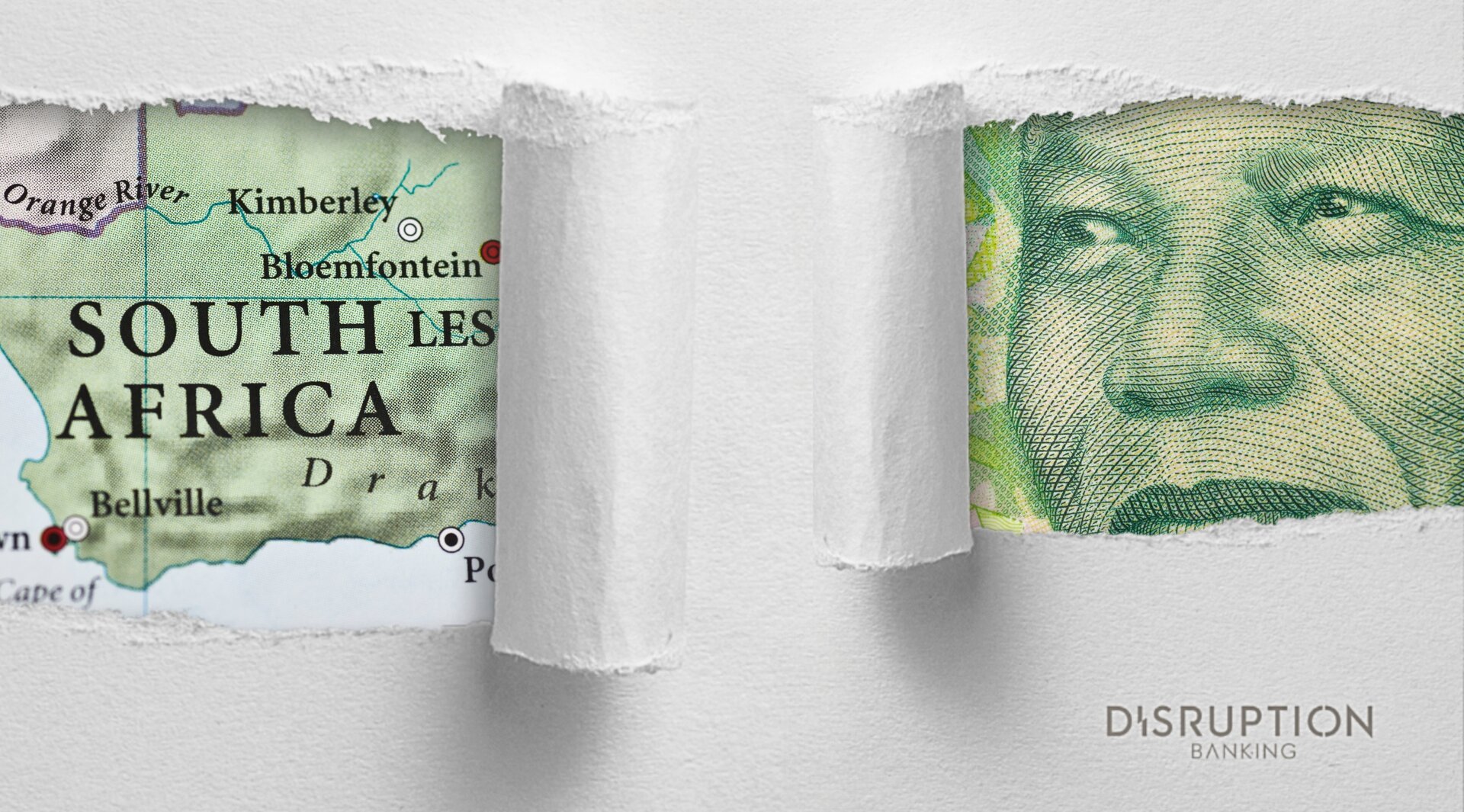
The South African currency has recovered recently. The rand traded around R17.2 to the US dollar just last month, its strongest level since late 2024. That steadiness comes from a mix of things: tighter government spending, gold hitting record highs, and some earlier shocks finally easing off. But once you look past the surface, the picture for 2026 gets murkier. Investors now have to balance better budget discipline with weak growth at home and pressure from the global economy.
In today’s feature we look at how strong the South African Rand (ZAR) might be in 2026.
Fiscal Consolidation and Ratings Upgrade
The fiscal policy of 2025 builds a modest buffer for the rand (ZAR). After years of widening deficits, the government turned a corner. It ran a primary surplus and aims to stabilize debt at about 77–78% of GDP by 2026. These steps won credit-market applause.
Fitch Ratings kept South Africa at BB– with a stable outlook in September and noted that the country is slowly tightening its finances. Fitch believe this “gradual fiscal consolidation” could finally start stabilizing public debt. S&P Global went a step further. On 14 November 2025, it upgraded South Africa to BB, the first upgrade in almost two decades. S&P pointed to better fiscal discipline, progress at Eskom (a state-owned South African power company), and steady primary budget surpluses. Moves like this generally help strengthen trust in the rand (ZAR).
The 2025 Medium-Term Budget also shows healthier tax revenue, helped by strong commodity prices and better enforcement. That allowed the government to shrink the deficit without swinging an axe at spending. In other words, if Pretoria keeps to this path, no surprise bailouts, no sudden spending splashes, the rand (ZAR) stands to gain credibility. A clearer plan to lower debt usually eases pressure on inflation and interest rates, which can support the currency over time.
However, both Fitch and S&P warn that none of this is guaranteed. If growth slows or the economy misses its targets, investors will demand a higher risk premium. And when that happens, pressure on the rand will return fast.
G20 Presidency and US Tensions
From 22–23 November 2025, South Africa hosted the G20 Summit in Johannesburg. The event put SA and its rand (ZAR) in the global spotlight, but also highlighted geopolitical tensions. U.S. President Donald Trump publicly boycotted the summit and threatened to exclude South Africa from future G20 meetings over what some deem are “baseless” land-and-minority claims. President Cyril Ramaphosa fired back, calling Trump’s charges “blatant misinformation” and reaffirming SA’s “full, active and constructive” role in G20.
The United States did not attend the G20 in South Africa, because the South African Government refuses to acknowledge or address the horrific Human Right Abuses endured by Afrikaners, and other descendants of Dutch, French, and German settlers. To put it more bluntly, they are…
— Donald J. Trump (@realDonaldTrump) November 28, 2025
The net effect on markets is mixed. On one hand, hosting the G20 underlined SA’s international standing and drew foreign engagement. On the other hand, the spat with Washington keeps uncertainty high. Investors worry that continued U.S. sanctions or loss of trade privileges (like under the African Growth and Opportunity Act (AGOA)) would weaken exports and the fiscal outlook. South Africa is looking to pivot toward China and the emerging-world bloc (BRICS) including Saudi Arabia. This shift diversifies partnerships, but it also ties the rand to China’s fortunes especially. If China (SA’s top trading partner) stalls or the BRICS alliance faces turmoil, the rand could suffer.
Essentially, politics is vital: 2026 will see the rand buffeted by whatever comes next on the US–SA front and by global risk appetite shaped by geopolitical events.
Economic Indicators: Growth, Inflation, and Policy
South Africa’s economic fundamentals give few clear signs of a strong rand rebound. Growth is expected to remain tepid: the 2025 budget forecast ~1.4% GDP growth, and even that has been ratcheted down. S&P expects the economy to grow only 1.1% in 2025, and roughly 1.5% a year through 2026–2028. Fitch is even more cautious, putting 2026 and 2027 growth at about 1.2%. The latest numbers back this up. GDP in Q3 2025 barely moved, rising only 0.5% quarter-on-quarter. Put simply, growth is too weak to give the rand any real push.
The one bright spot is inflation. It is under control, which gives the Reserve Bank room to start cutting rates when the timing is right. Headline CPI has fallen into the low–4% range; it was 3.6% in October (within the new 3%±1 band announced by the Finance Minister Enoch Godongwana). Responding to soft inflation, the South African Reserve Bank (SARB) at its November 20, 2025 meeting cut the repo rate by 25 basis points to 6.75%, and indicated more easing ahead. Over 2025 the SARB cut rates by a total of 100 bps. That has reduced interest-rate appeal, but it also eases borrowing costs, helping growth.
Lower rates may spur domestic demand, but typically also weigh on the currency. Moreover, real yields in South Africa are still modestly higher than in the U.S., helping the rand a little. But that edge shrinks if the Fed cuts rates further in 2026 (as now widely expected).
Another downside is the persistent current account deficit (in the order of 1–1.5% of GDP). SA still needs net capital inflows to fund imports, meaning its currency faces outflows if foreign investors lose appetite. Unless growth picks up or commodity prices surge, fundamentals alone suggest only limited appreciation for the ZAR. The inflation target change (to 3%) should, in theory, stabilize prices over the medium term, but weak output means that even with benign inflation, there’s little pressure for a large currency rally in 2026.
Commodity Cycles and Risk Appetite
The rand’s performance often hinges on commodity cycles and global sentiment. South Africa is rich in gold, platinum, and other minerals. This year, the prices of these minerals were very supportive. Gold surged above $4,000/oz, boosting miners’ revenue and helping ZAR hold value against a weak dollar.
By contrast, domestic demand indicators softened late this year, with manufacturing PMI plunging into contraction territory. Crucially, chronic electricity and water shortages continue to drag on growth. Even if prices are high, such bottlenecks limit the real boost from commodities.
Emerging market (EM) sentiment is another consideration. The rand is a “carry” or risk-sensitive currency. In essence, it tends to firm when global markets are upbeat (often on U.S. rate cuts or calm geopolitical scenes) and weaken when risk-off prevails. If, for example, the Fed begins cutting rates in H2 2026 as many expect, a weaker dollar could lift the rand alongside other EM currencies. Conversely, any global shock, a resurgence of trade wars, a new recession, or another geopolitical flare-up, would likely send money into safe havens (U.S. Treasuries, gold) and push the ZAR down. High oil prices would similarly pressure the rand, since SA imports substantial amounts of fuel.
In a nutshell, the rand’s swings in 2026 will largely reflect international as much as local policy.
How Strong Will the South African Rand (ZAR) Be in 2026?
Investors see a largely bullish and mildly bearish scenario for the South African Rand. S&P and Fitch have given South Africa more breathing room on the world stage, but both stress that sustained reforms are essential. Neither agency has raised SA back to investment grade yet, and both warned that any fiscal or political backsliding could undo the gains.
Many analysts expect the rand to be only marginally stronger in 2026 if growth and reforms pick up a bit. Even then, they caution that most of the rand’s 2025 recovery was due to one-offs (gold and pent-up demand) rather than a durable boom.
It’s wise not to expect a big rally. A realistic projection is that USD/ZAR might trade roughly in the mid-16–17 range, but the usual caveats apply. A surprise U.S. tariff hike, renewed aid freezes, or a collapse in commodities could easily send USD/ZAR back toward (or beyond) 18.
ZAR’s Short Term Strength Hinges on Two Big Questions
The Rand may see brief rallies if South African policy continues to show discipline and global conditions improve (for example, Fed easing). But it will also be poised to slide on any bad news.
ZAR’s strength next year will be priced against two big questions:
- Are South Africa’s reforms on track?
- Is the global outlook firming or faltering?
If the answer to both is “yes,” the rand holds up. If not, it won’t.
#G20summit #SouthAfrica #Rand #SouthAfricanRand #CurrencyNews #GlobalTrend #GlobalMarket #Trump #Ramphosa
Author: Richardson Chinonyerem
The editorial team at #DisruptionBanking has taken all precautions to ensure that no persons or organizations have been adversely affected or offered any sort of financial advice in this article. This article is most definitely not financial advice.
See Also:
How Strong Will the South African Rand (ZAR) Be in 2025?
South Africa: Staff Concluding Statement of the 2025 Article IV Mission | Disruption Banking











One Response
I wish if South African to be around 16 US Dollar. This is because it is long that we are suffering due to weak South African rand.
Let South African Economy be reasonable for the benefits of the country.